Harley-Davidson Takes a Bold Step Into the Connected Motorcycle Era
For decades, Harley-Davidson has built its reputation on raw, mechanical authenticity—the rumble of a Twin Cam, the feel of chrome and steel, the bond between rider and machine that requires nothing more than a wrench and a willing hand. But the Motor Company is not standing still. In a move that underscores just how seriously Milwaukee is taking the digital future of motorcycling, Harley-Davidson has officially filed a patent for a comprehensive over-the-air (OTA) software update architecture designed to work across both its iconic Touring models and its electric LiveWire platform. It's a development that could fundamentally change how Harley owners interact with their bikes—and how the brand stays competitive in a rapidly evolving market.
What the Patent Actually Describes
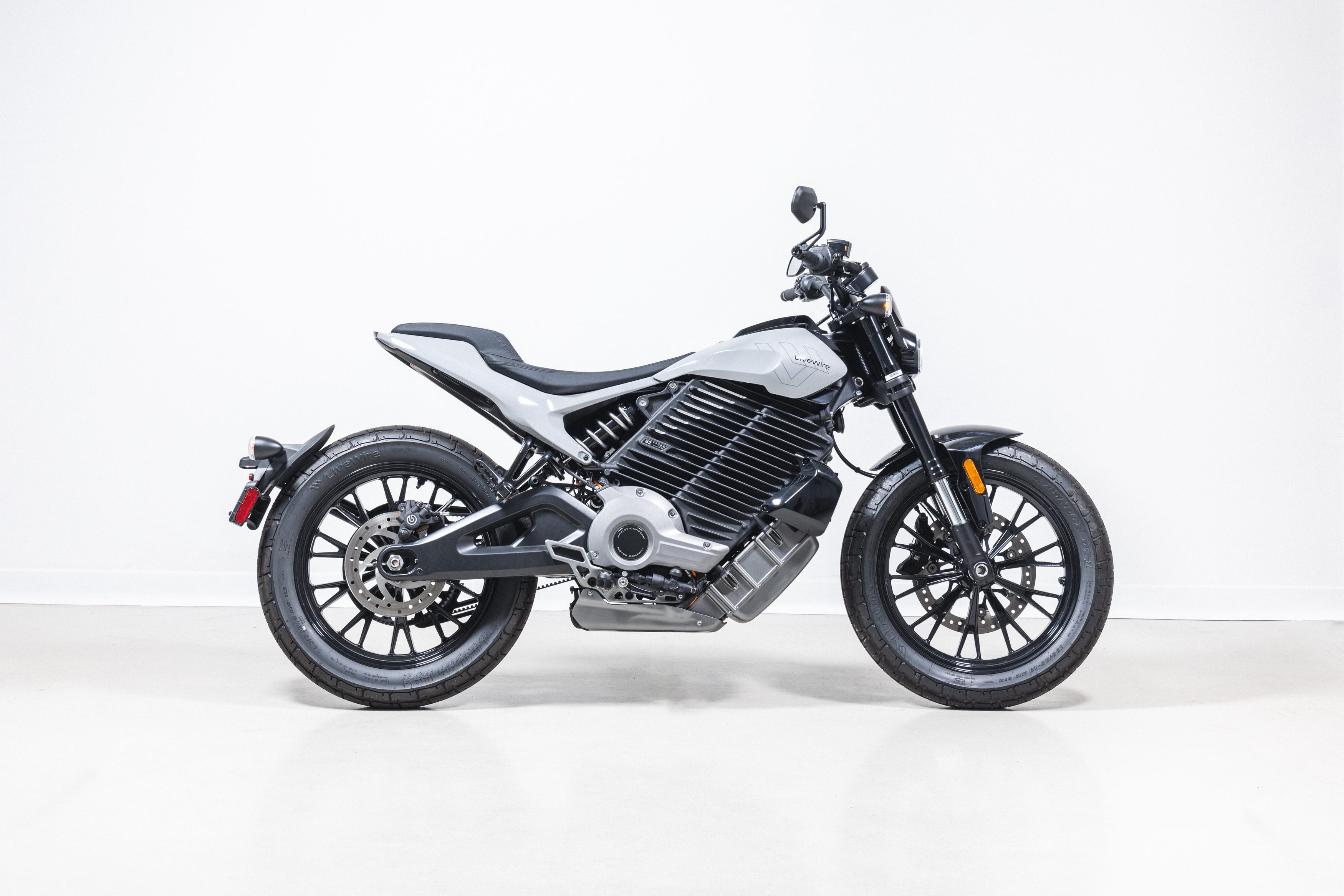
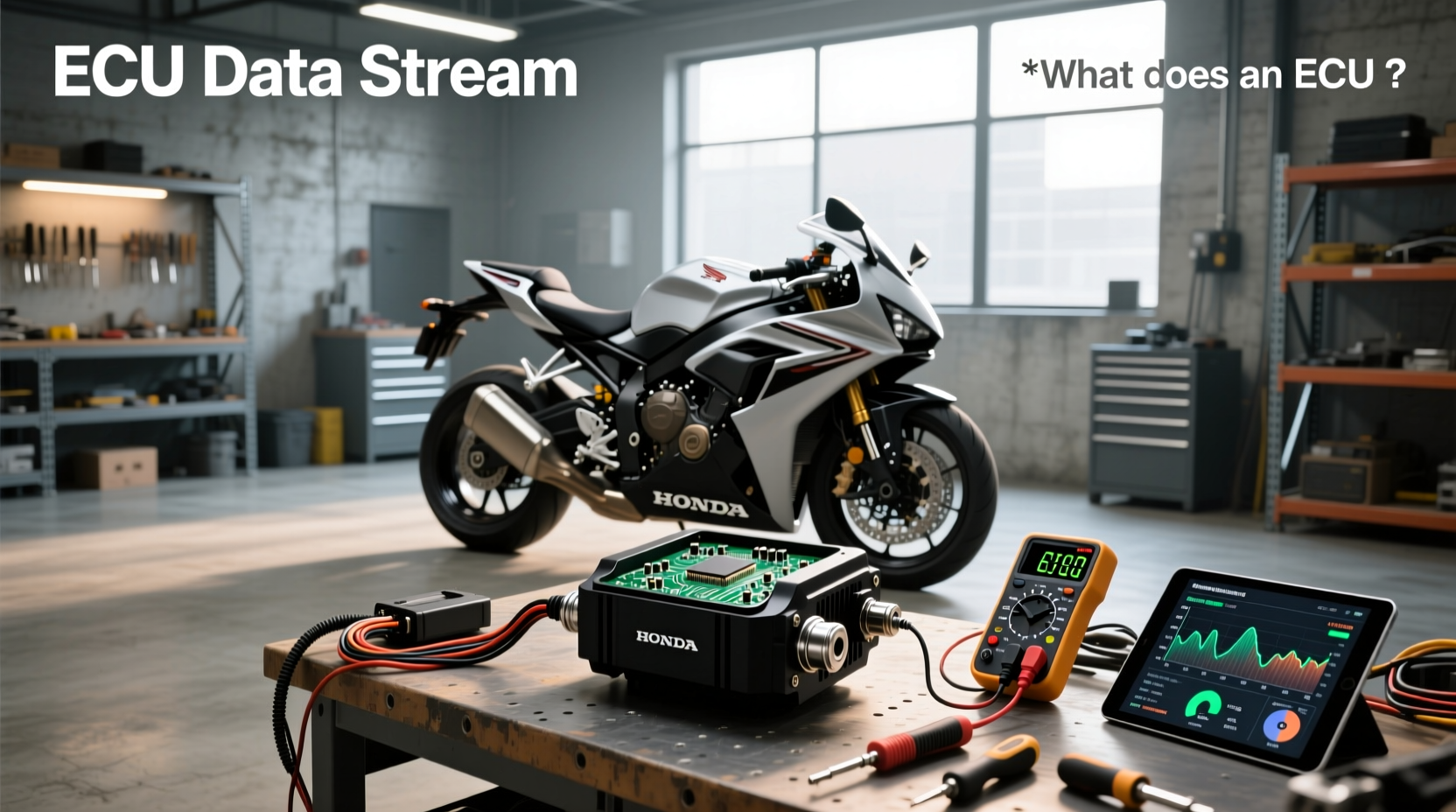
Patent filings can be dense, technical documents, but the core concept here is straightforward. Harley-Davidson's patent describes a shared software update framework that can push firmware and feature updates wirelessly to a motorcycle's electronic control units (ECUs). Rather than building two separate systems—one for gasoline-powered Touring bikes like the Road Glide and Street Glide, and another for the electric LiveWire and its Del Mar and S2 variants—the company is pursuing a unified architecture that speaks to both platforms through a common communication backbone.
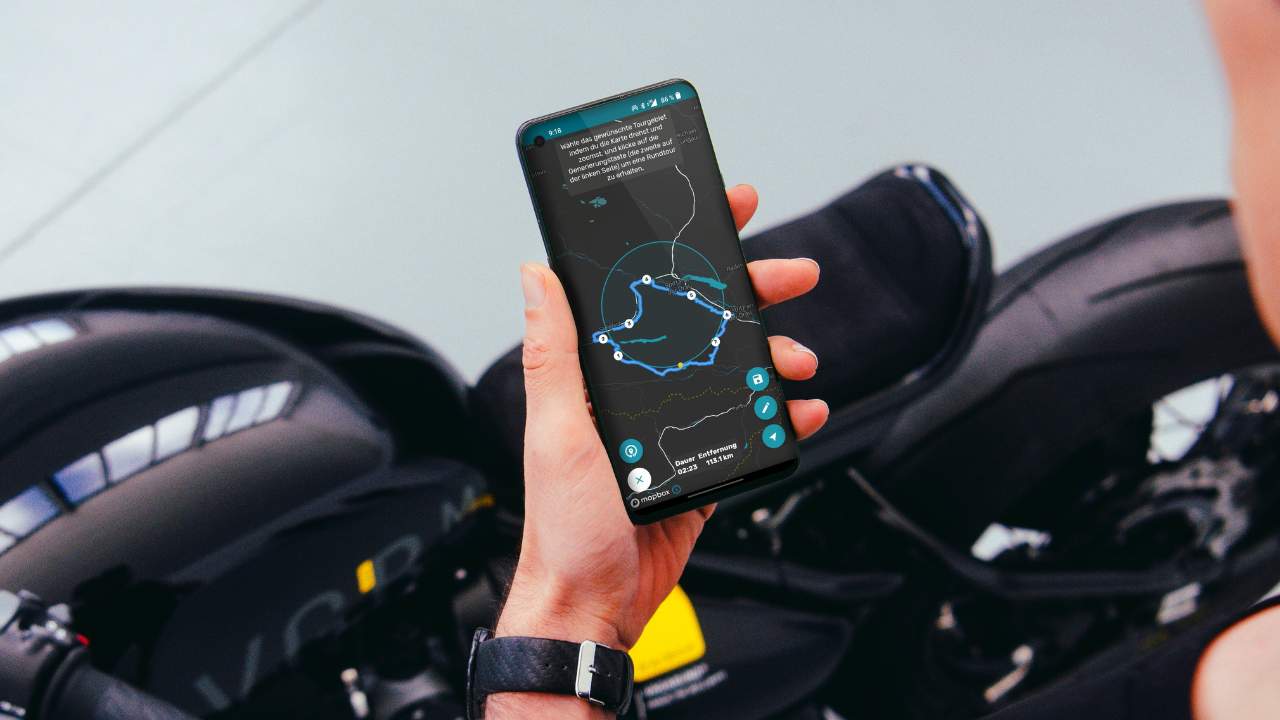
The system is designed to handle several categories of updates: safety-critical patches that correct software bugs affecting braking, stability control, or rider-assist systems; performance calibration adjustments that can fine-tune throttle mapping, power delivery curves, or suspension electronics; and feature-level updates that could unlock new ride modes or infotainment capabilities. The patent also details a robust verification process, ensuring that update packages are authenticated before installation to protect against tampering or corrupted data—a critical safeguard when software directly governs vehicle behavior.
A Shared Platform Philosophy
Perhaps the most strategically significant element of the filing is the shared-platform approach. By building one OTA backbone that serves both combustion and electric models, Harley-Davidson is investing in long-term infrastructure rather than short-term solutions. This mirrors what companies like Tesla, BMW Motorrad, and KTM have done in the automotive and motorcycle spaces—creating a scalable digital foundation that can support new models and features for years to come. For Harley, it's also an acknowledgment that LiveWire and the traditional lineup are not competing philosophies but parallel pillars of the same company's future.

Which Models Are Likely to Benefit First?
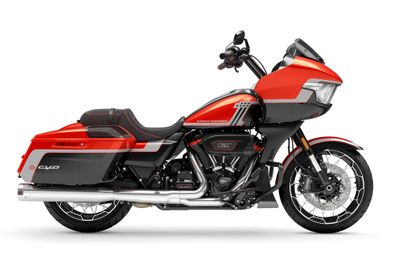
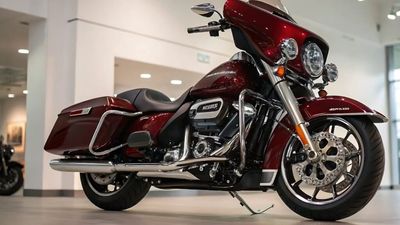
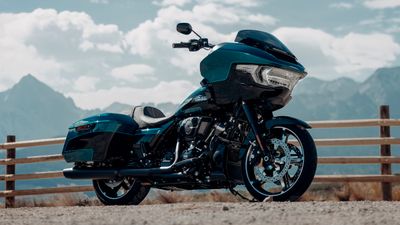
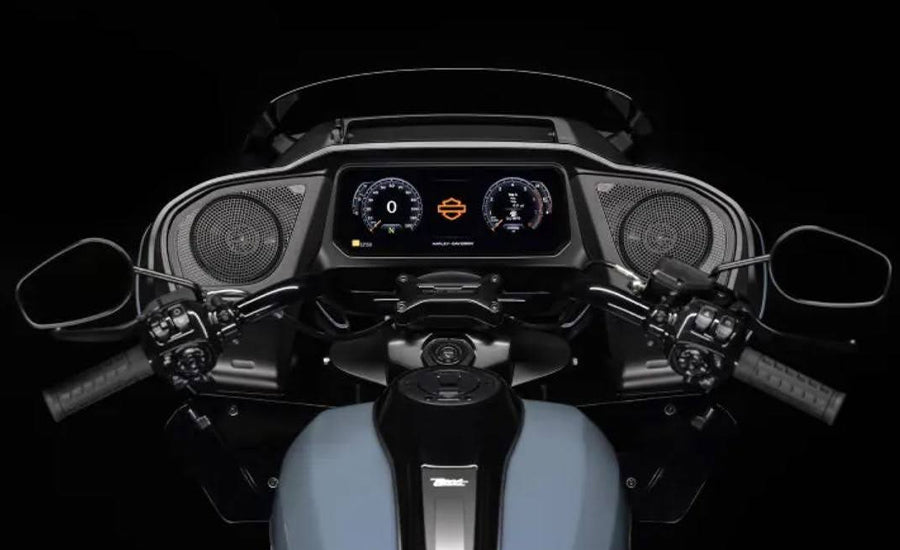
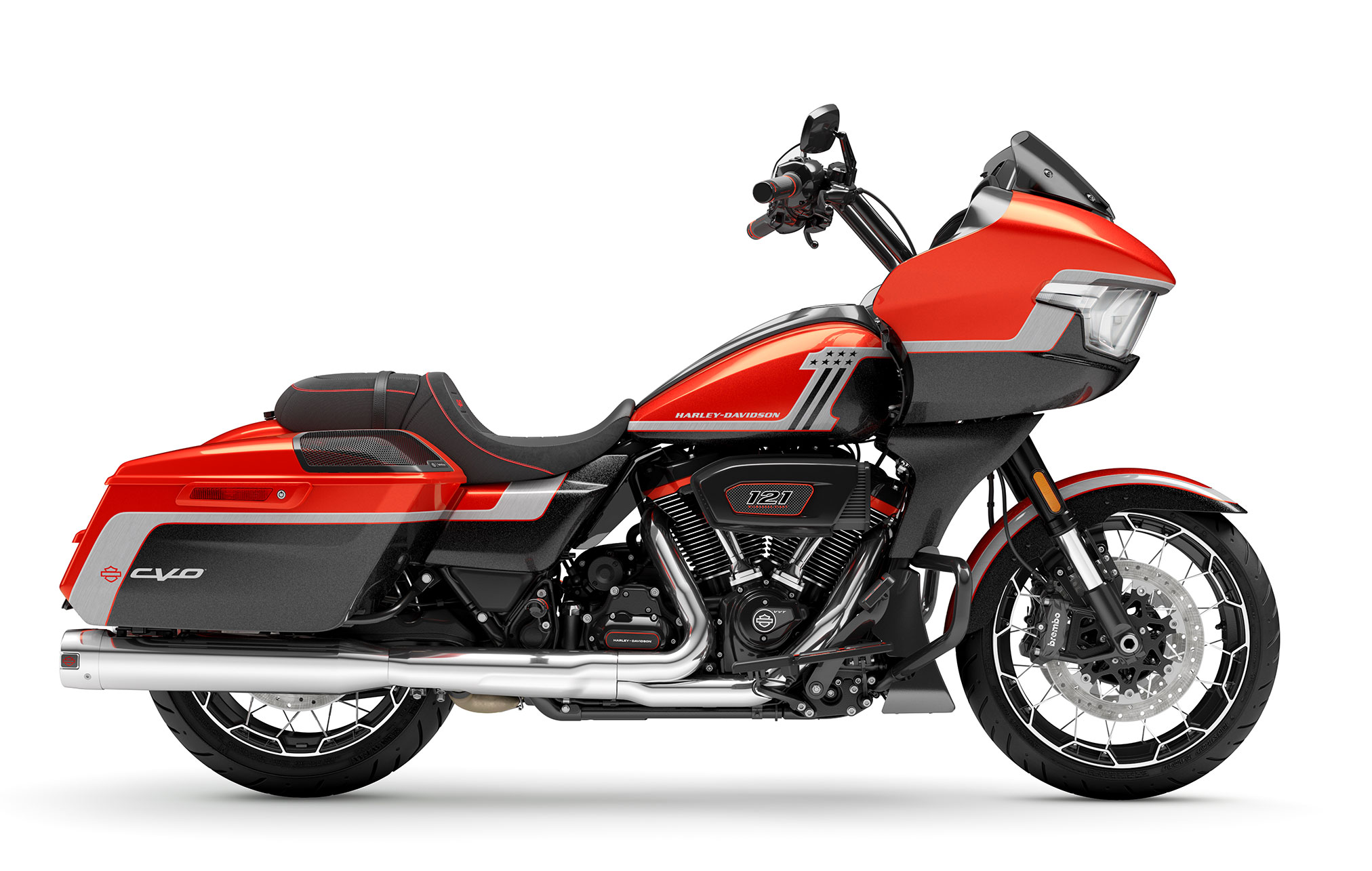
Based on the patent language and the current state of Harley-Davidson's electronic architectures, the rollout is expected to prioritize models that already carry the most sophisticated ECU and connectivity hardware. On the Touring side, that means bikes like the Harley-Davidson Road Glide Ultra, the Harley-Davidson Street Glide Special, and the Harley-Davidson CVO Road Glide—all of which already feature Harley's RDRS (Reflex Defensive Rider Systems) suite and Boom! Box infotainment. On the electric side, the LiveWire One and the sportier LiveWire Del Mar are natural candidates given that electric motorcycles are inherently more software-defined than their gasoline counterparts.
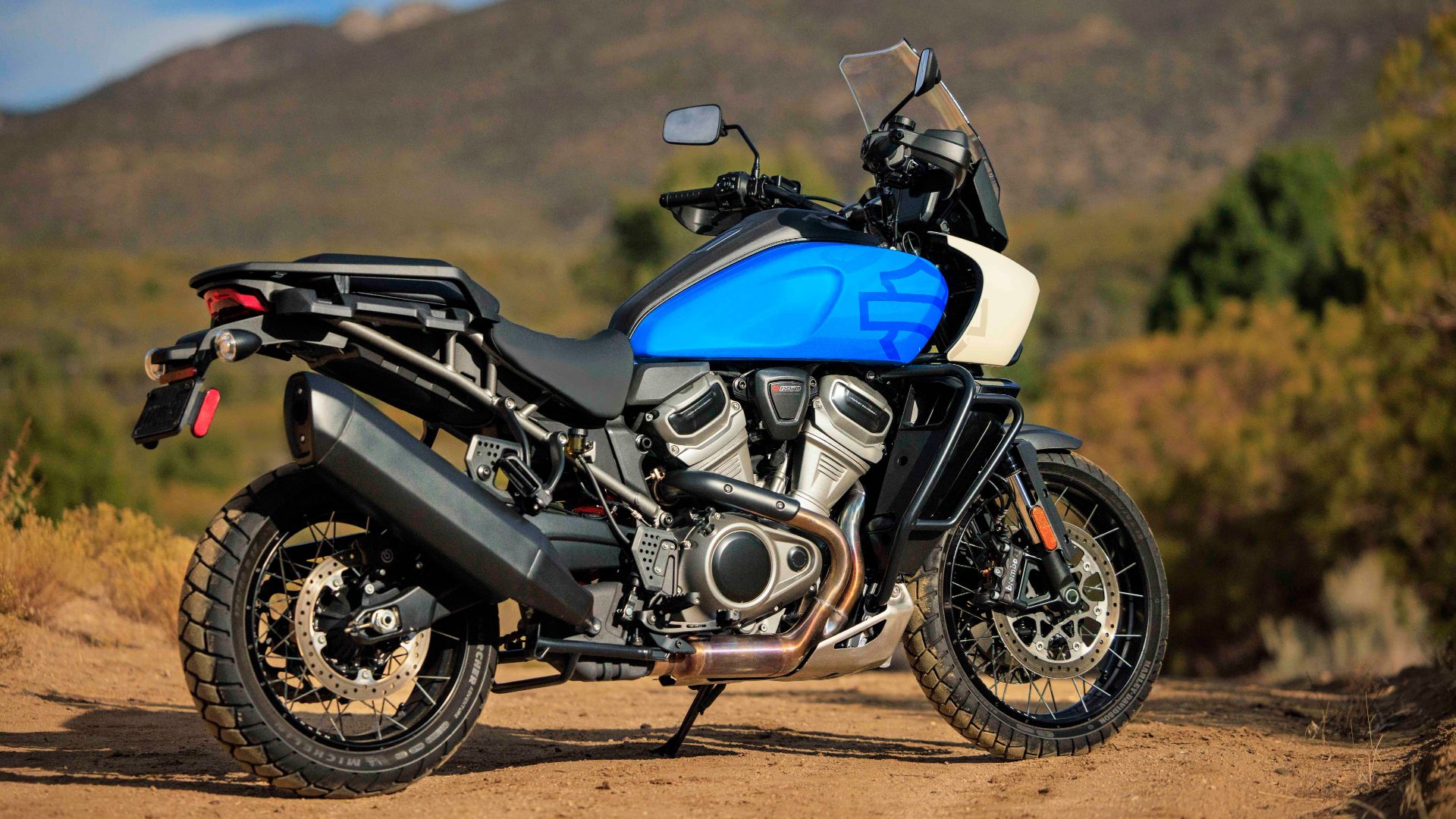
Models like the Harley-Davidson Pan America 1250, which already packs a dense array of rider-assist electronics, could also be early adopters as the system expands beyond the Touring family. Adventure riders, who have increasingly demanded feature-rich technology on long-haul machines, would welcome the ability to receive trail-mode refinements or traction control updates without a dealer visit.
What This Means for Everyday Riders
The practical implications of a fully operational OTA system are significant. Consider the current reality: if Harley identifies a calibration issue with a throttle-by-wire map on a 2024 Road Glide, the correction requires a dealer service appointment, a physical flash of the ECU, and potentially days without your bike. With OTA capability, that same fix could arrive on your phone as a notification, be scheduled for a convenient time, and install overnight while the bike sits in your garage.
- No more dealer trips for software fixes: Routine calibration updates and bug patches can be handled remotely, saving time and reducing friction for owners far from a dealership.
- New features on existing hardware: Much like smartphones receive new capabilities through software updates, Harley could potentially unlock new ride modes or infotainment features on bikes already in owners' hands.
- Improved resale value: Bikes that receive ongoing software support tend to hold their value better, as buyers know the machine will remain current and corrected.
- Faster safety response: In the event of a safety-relevant software issue, Harley can deploy a fix fleet-wide without waiting for owners to schedule service—a major improvement in recall response speed.
- Personalization possibilities: Down the road, OTA infrastructure opens the door to subscription-based feature tiers or dealer-customized performance profiles pushed directly to the bike.
The Road to 2029: Realistic Expectations
The 2029 timeline referenced in Harley-Davidson's development roadmap discussions is not a guarantee but a reasonable projection based on how long it typically takes to move from patent filing to production-ready deployment. The company will need to validate the system across dozens of real-world conditions, secure regulatory approval in multiple markets (the U.S., EU, and Asia-Pacific all have differing standards for OTA vehicle updates), and build the dealer and customer support infrastructure to handle rollout at scale.
It's also worth noting that patent filings don't always translate directly into production features. Companies file patents to protect intellectual property and explore technological directions, and some patented concepts never make it to market. However, given Harley's public commitment to electrification, connectivity, and the modernization of its lineup through its Hardwire strategy, this OTA system appears to be a genuine priority rather than a speculative hedge.
How Does This Stack Up Against the Competition?
BMW Motorrad has already deployed limited OTA update capability on select connected models in Europe. Zero Motorcycles, arguably the most software-forward American electric motorcycle brand, offers OTA updates for its platform. Harley's move, if executed at the scale the patent envisions, would represent one of the most ambitious unified OTA deployments in the powersports industry—covering both legacy combustion Touring bikes and a growing electric portfolio under one technical umbrella. That's a scope even Tesla hasn't attempted across fundamentally different powertrain types.
The Bottom Line for Harley Faithful
Harley-Davidson riders have always understood that owning a Motor Company machine is about more than transportation—it's about belonging to a living tradition. The OTA patent filing signals that Harley intends to keep that tradition vital and current in an era where software is as important as steel. Whether you're a die-hard Bagger pilot who just wants your Road Glide running perfectly on every mile of Interstate, or an early adopter who grabbed a LiveWire and wants the latest performance refinements, an over-the-air update system built thoughtfully into your machine could make owning a Harley smarter, more convenient, and more connected than ever before. Watch this space—2029 may arrive faster than you think.