Indian Motorcycle Takes a Bold Step Into Hybrid Territory
The motorcycle industry has been buzzing with electrification news for years, but Indian Motorcycle just dropped a bombshell that could reshape the American cruiser segment as we know it. The Polaris-owned brand has officially filed a patent for a new V-twin hybrid powertrain — one engineered to be shared across both the beloved Scout and the iconic Chief platforms. This isn't a concept sketch or a vague press statement; it's a formal patent filing that outlines real engineering intent, and the details are fascinating.
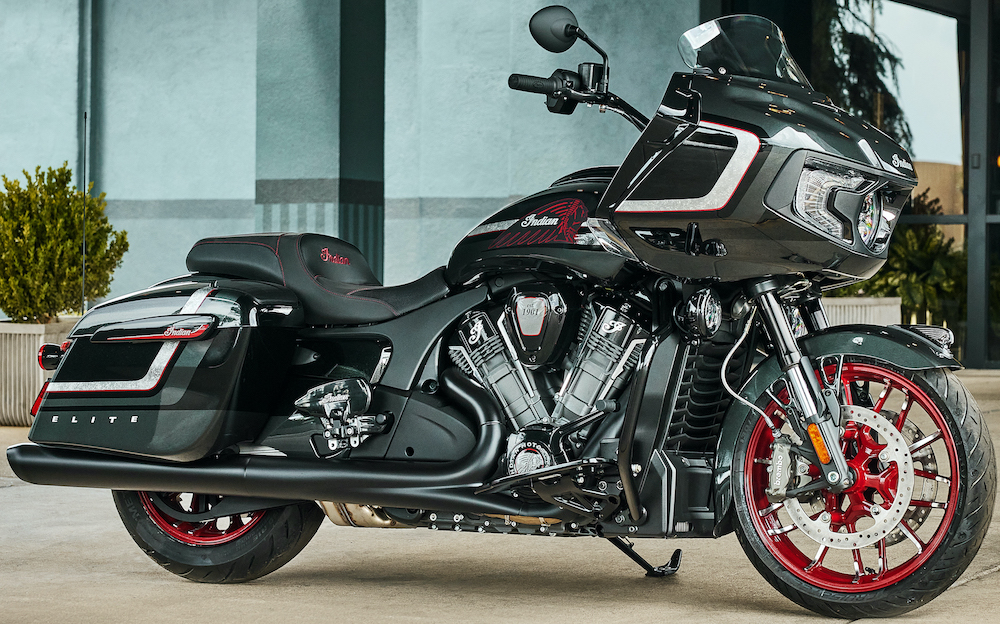
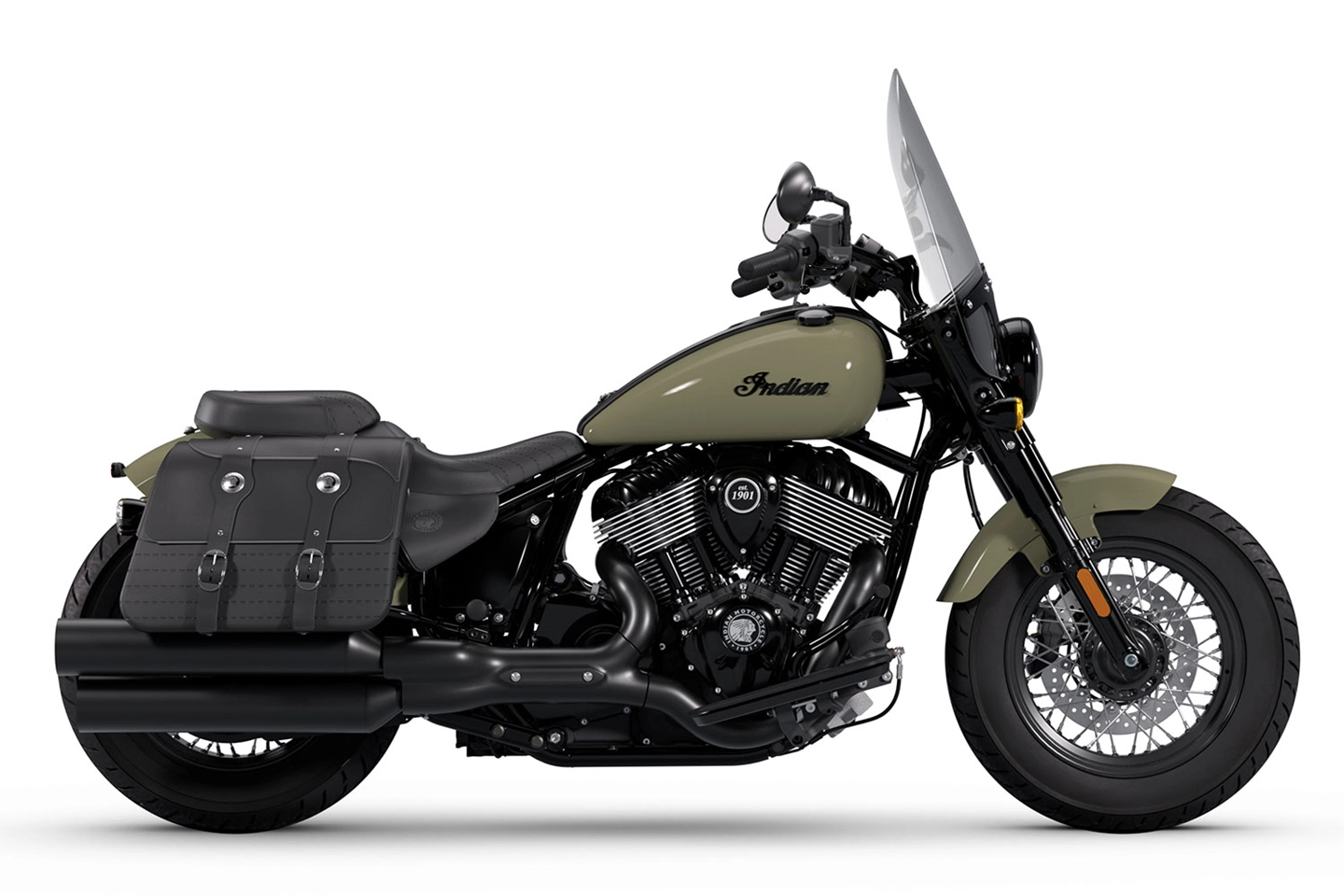
Hero image showing Indian Scout and Chief motorcycles together
For riders who've been hesitant about full electrics but curious about the efficiency and torque advantages of hybrid technology, this development might be exactly the middle ground you've been waiting for. Let's break down what we know, what the patent reveals, and what it could mean for your next Indian in the garage.
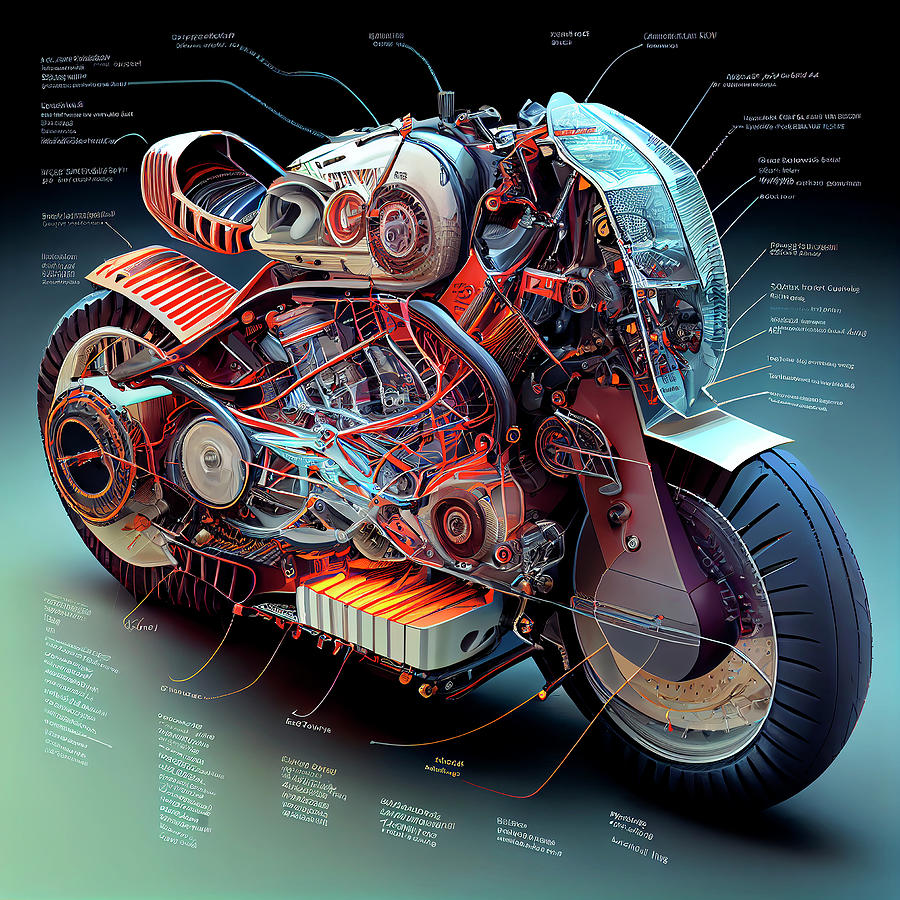
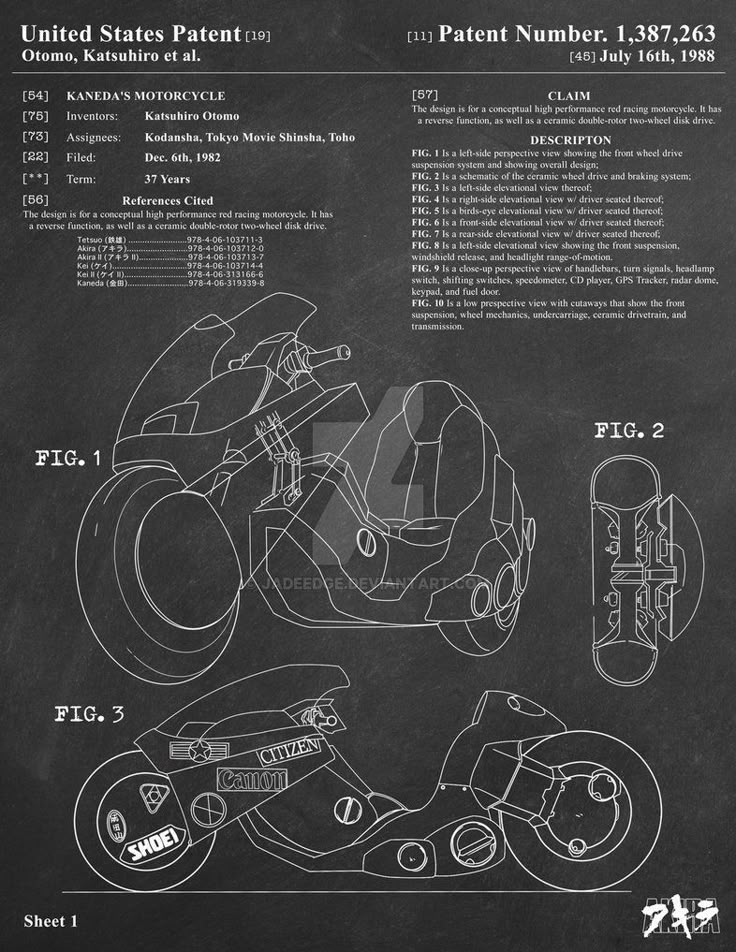
Technical illustration of a parallel hybrid motorcycle powertrain
What the Patent Actually Reveals
Patent filings are dense, technical documents, but buried in the technical language are some genuinely exciting engineering choices. The system described appears to be a parallel hybrid architecture — meaning both the V-twin combustion engine and an integrated electric motor can drive the rear wheel simultaneously, or independently depending on riding conditions.
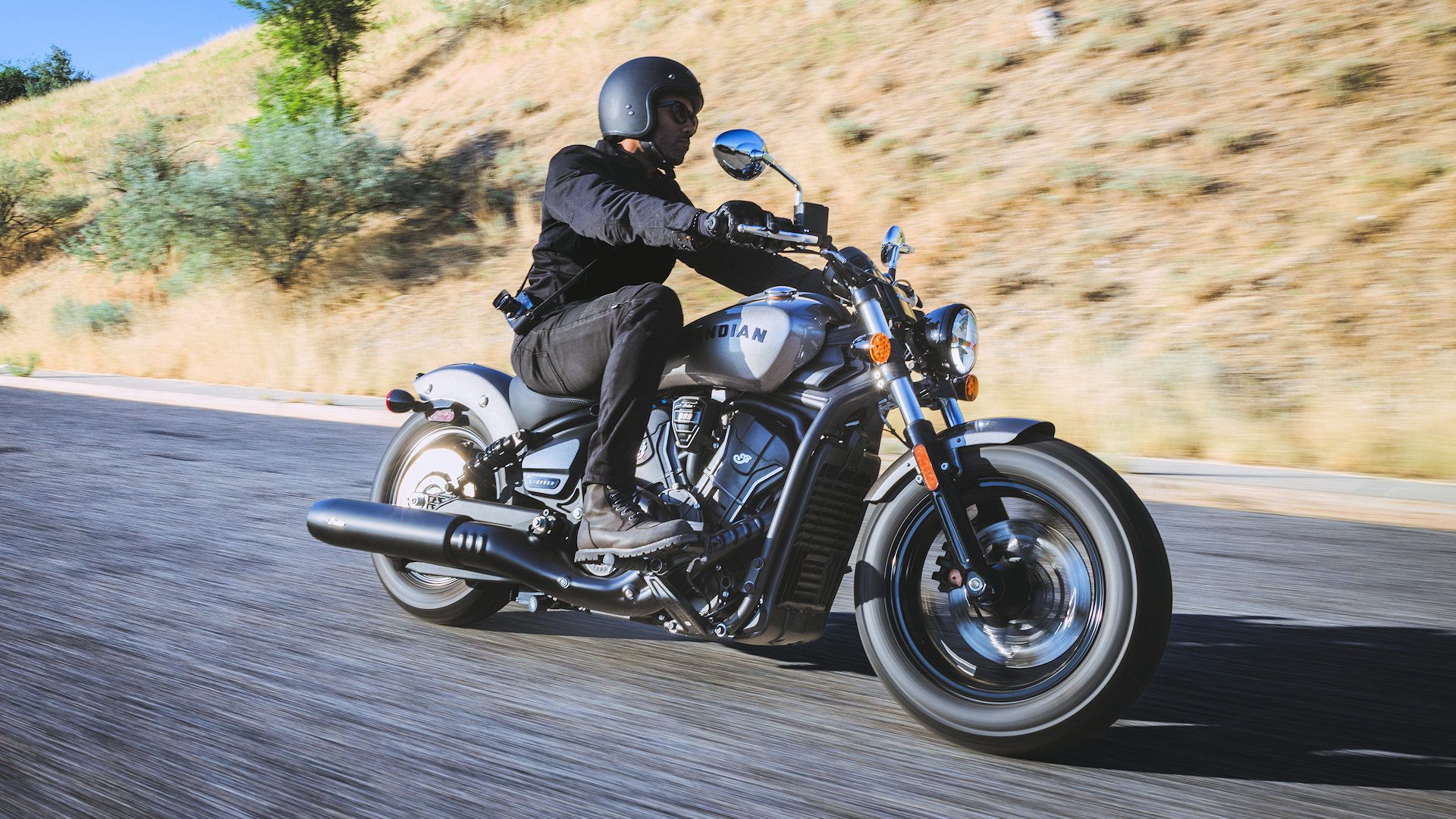
Dynamic riding shot of Indian Scout on open road
Key details from the filing include:

Indian Chief motorcycle on highway showcasing its touring presence
Integrated electric motor placement: The motor appears to be mounted between the engine and transmission, keeping the overall powertrain footprint compact enough to fit within existing Scout and Chief chassis architectures.
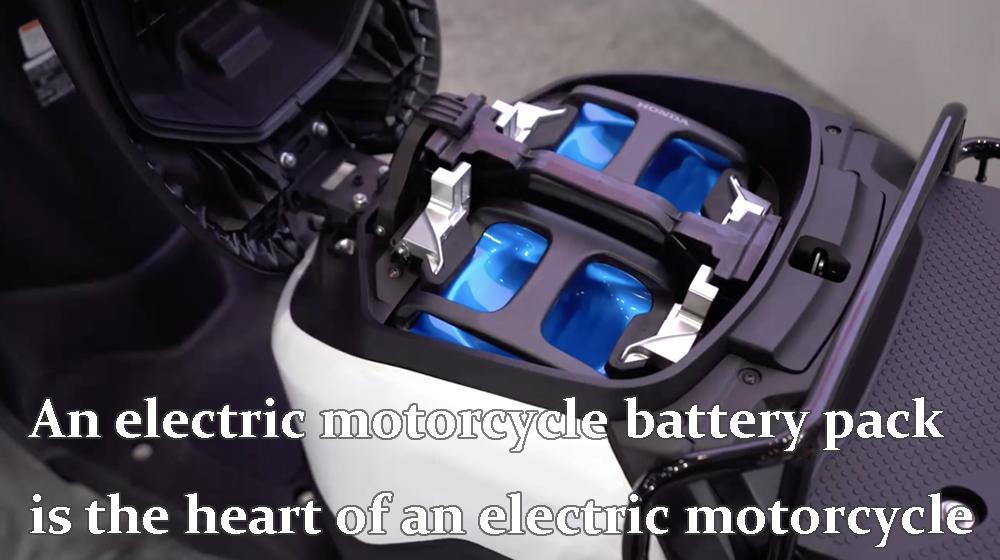
Regenerative braking capability: The system includes provisions for energy recovery during deceleration, feeding charge back into a battery pack integrated beneath or within the frame.
Ride mode differentiation: The patent language suggests multiple operating modes — including an EV-only low-speed mode, a full hybrid mode for cruising, and a power-boost mode that combines both powerplants for maximum acceleration.
Shared platform compatibility: Engineering language in the filing specifically addresses scalability, with mounting provisions and electronic management systems designed to accommodate both the smaller Scout displacement range and the larger Chief-class engines.
The battery pack described is relatively modest in size — this is not an electric motorcycle wearing a combustion engine as a range extender. Think of it more like a sophisticated performance and efficiency enhancer bolted to the soul of a true V-twin.
Abstract image representing patent or engineering development
Why Share the Platform Across Scout and Chief?
This is where Indian's strategy gets genuinely clever. By engineering a hybrid system designed from the ground up to span two distinct product lines, Indian can amortize development costs significantly while delivering the technology to a much broader customer base. The Scout appeals to newer riders, urban commuters, and those who prefer a nimble, mid-displacement machine. The Chief speaks to the long-haul touring crowd and seasoned cruiser enthusiasts who want commanding presence and serious displacement.
Close-up of integrated battery system in motorcycle chassis
A shared hybrid architecture means Indian's engineering team builds the core system once and adapts it, rather than developing two separate hybrid solutions. For the company's bottom line, that's smart business. For riders, it means the technology is more likely to reach showrooms at a price point that doesn't require selling a kidney.
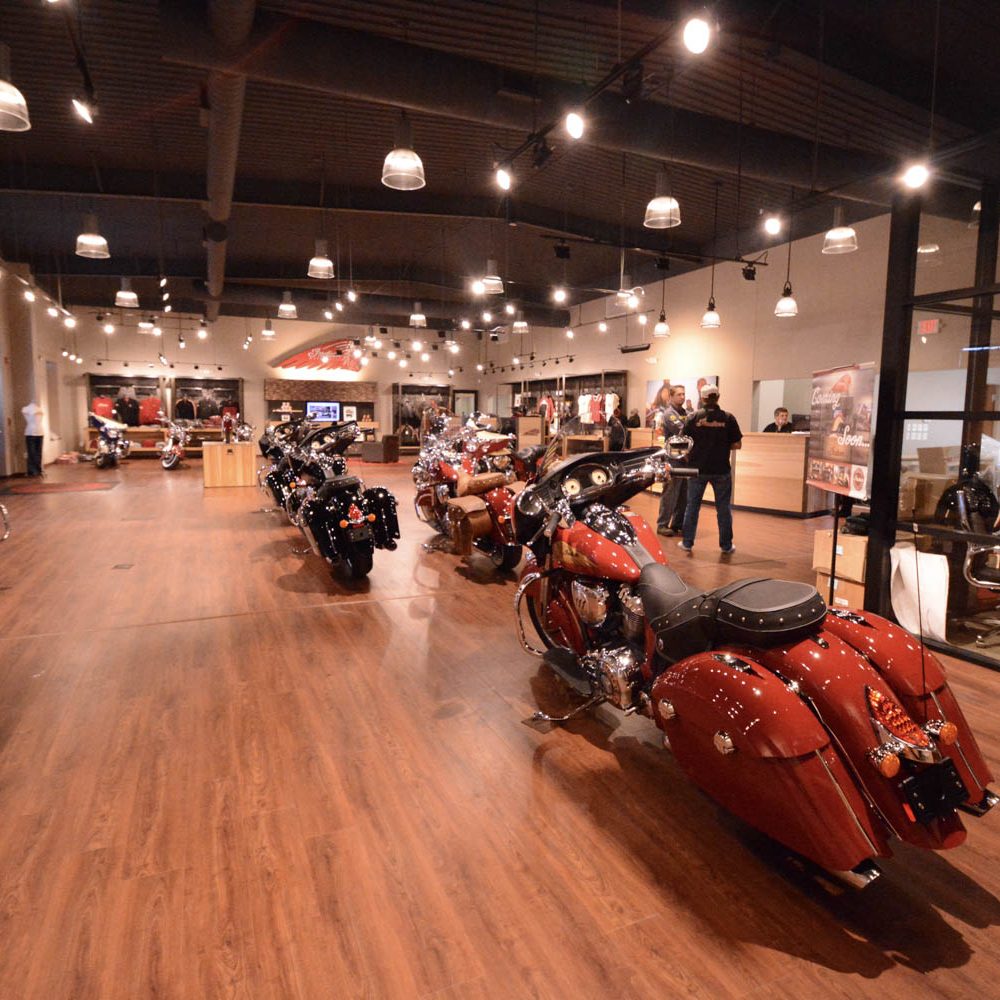
Indian Motorcycle dealership interior with models on display
What Riders Can Realistically Expect
Let's be honest about timelines. Patent filings don't equal production announcements. Companies file patents to protect intellectual property, and not every patent becomes a product. However, the specificity and scope of this filing — combined with Indian's publicly stated commitment to expanded powertrain innovation — suggests this is more than a defensive filing gathering dust in a legal drawer.
Industry analysts tracking Polaris and Indian's R&D investment patterns suggest a realistic production window of 2027 to 2029, with 2029 being the most commonly cited target for a public debut. Here's what riders might reasonably expect when these machines arrive:
Torque gains at low RPM: Electric motors deliver peak torque instantly, which would transform the already-satisfying pull of Indian's V-twins into something even more immediate off the line. For urban riding and rolling starts on highways, this is a game changer.
Improved fuel economy: Regenerative braking and electric assist during cruising could meaningfully reduce fuel consumption — a welcome development as fuel prices remain unpredictable.
Familiar V-twin character: Indian's engineers are acutely aware of their customer base. Don't expect the hybrid system to mute the sound and feel that defines these motorcycles. The V-twin remains central; the electric system augments rather than replaces it.
Added weight considerations: Battery packs and electric motors add mass. Indian will face engineering pressure to keep weight gains minimal, particularly on the Scout where nimbleness is a core selling point.
Premium pricing tier: Hybrid powertrain technology doesn't come cheap. Expect hybrid Scout and Chief models to occupy the top tier of each line's pricing structure, at least initially.
The Broader Industry Context
Indian isn't operating in a vacuum. Harley-Davidson launched its LiveWire electric brand and has been developing its own hybrid concepts. Honda has filed hybrid motorcycle patents. Even European manufacturers like BMW Motorrad have explored electrified cruiser concepts. The hybrid powertrain race in motorcycling is accelerating, and Indian filing this patent positions it as a serious competitor in that space rather than a follower.
What makes Indian's approach interesting is the deliberate choice to anchor the technology in its most historically significant platforms — the Scout and the Chief. These aren't fringe models. They're the backbone of the brand's identity. By hybridizing these icons rather than creating a standalone electric sub-brand, Indian is making a statement: the future of the V-twin isn't extinction, it's evolution.
What Should Current and Prospective Riders Do Now?
If you're in the market for a new Scout or Chief today, this news shouldn't necessarily push you to wait. The 2024 and 2025 model year motorcycles from Indian remain excellent machines with refined powertrains, strong dealer support, and proven reliability. A 2029 production hybrid is still years away from your driveway.
That said, if you're a longer-term planner and hybrid technology genuinely excites you, keeping a watchful eye on Indian's announcements over the next 18 to 24 months will be worthwhile. As the patent moves through the approval process and Indian's development program matures, we'll start seeing more concrete details emerge — likely beginning with teaser content from Polaris investor calls and trade show concepts before any formal model announcements.
The Bottom Line
Indian Motorcycle's patent filing for a shared V-twin hybrid powertrain is one of the most significant technical developments in the American cruiser segment in recent memory. It reflects a brand that understands its heritage, respects its rider community, and is willing to invest in sophisticated technology to ensure the V-twin remains relevant and exciting for decades to come. Whether you're a Scout loyalist or a Chief devotee, the road ahead looks genuinely compelling.
Stay tuned. The next chapter of Indian Motorcycle's story is being written in an engineering lab right now — and if this patent is any indication, it's going to be a very good read.