Two Lightweight Legends, One Big Decision
The lightweight dual-sport segment has never been more competitive, and heading into 2026, two machines continue to dominate the conversation: the Kawasaki KLX230 Sherpa and the Honda CRF300L. Both bikes promise versatile on- and off-road capability, manageable weight, and accessible power — but they achieve those goals in distinctly different ways. Whether you're a weekend trail explorer, a new rider searching for the perfect first dual-sport, or a commuter who refuses to leave adventure behind, one of these bikes is almost certainly your ideal match.
Let's dig deep into what separates these two lightweight trail kings and figure out which one deserves a spot in your garage.
Design Philosophy: Sand Dunes vs. The Street
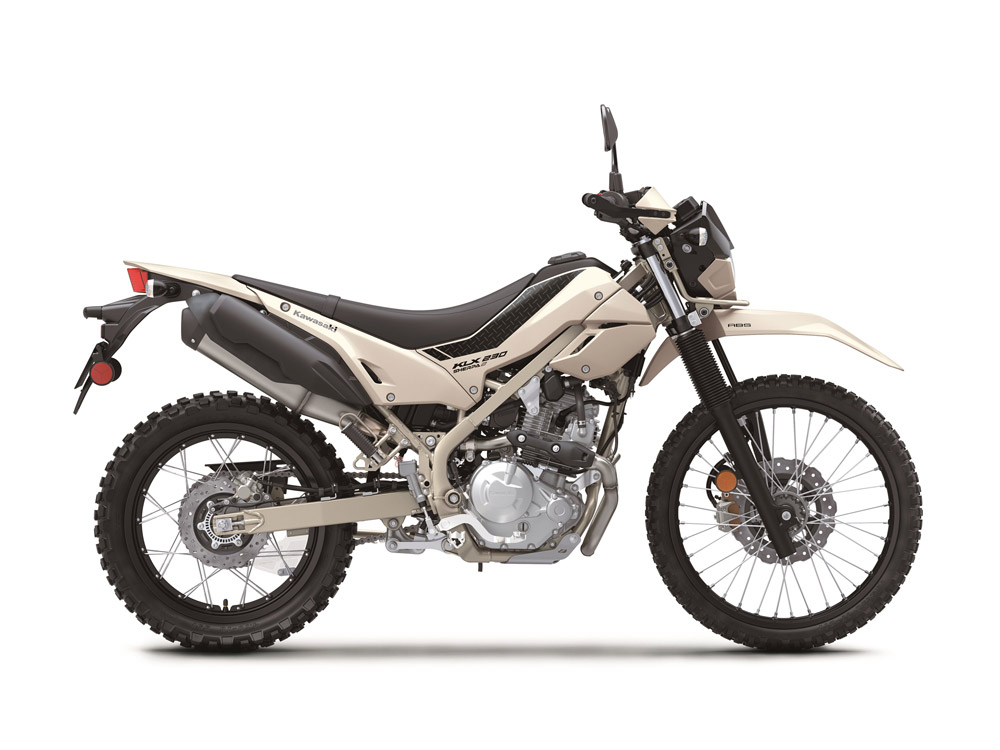
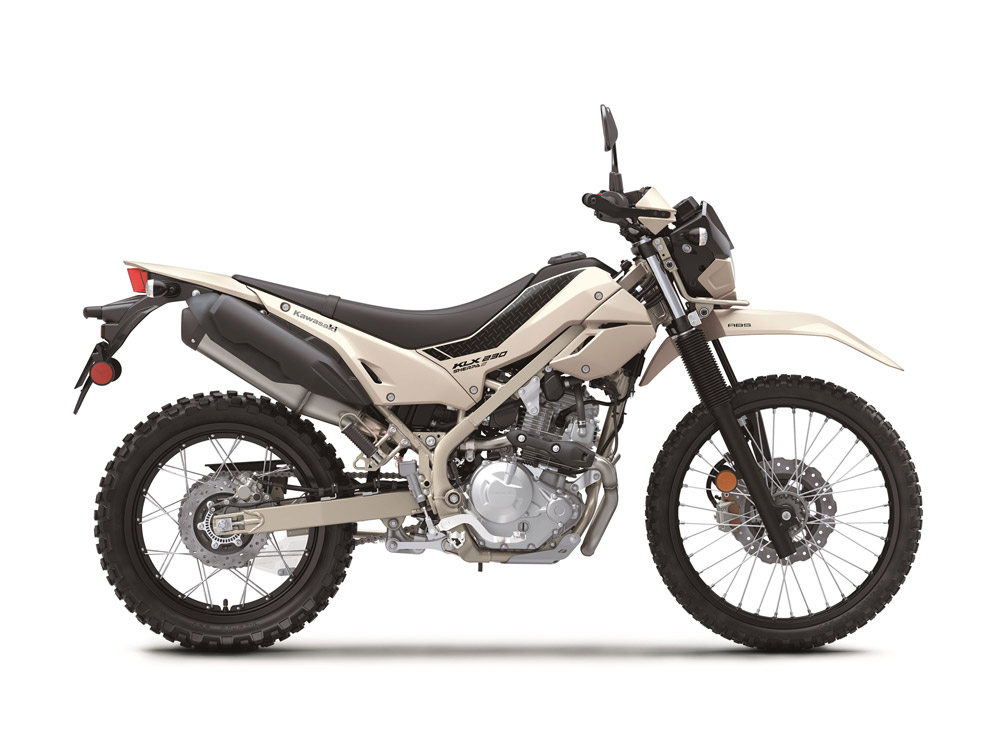
At first glance, the visual contrast between the two 2026 models tells the whole story. The KLX230 Sherpa arrives in a striking cream-and-black colorway that exudes a classic, almost retro adventure aesthetic. Its proportions are compact and friendly, with a lower, more approachable stance that immediately signals accessibility. Kawasaki's design language here leans toward versatility — this is a bike that looks equally at home on a gravel backroad or parked outside a coffee shop.
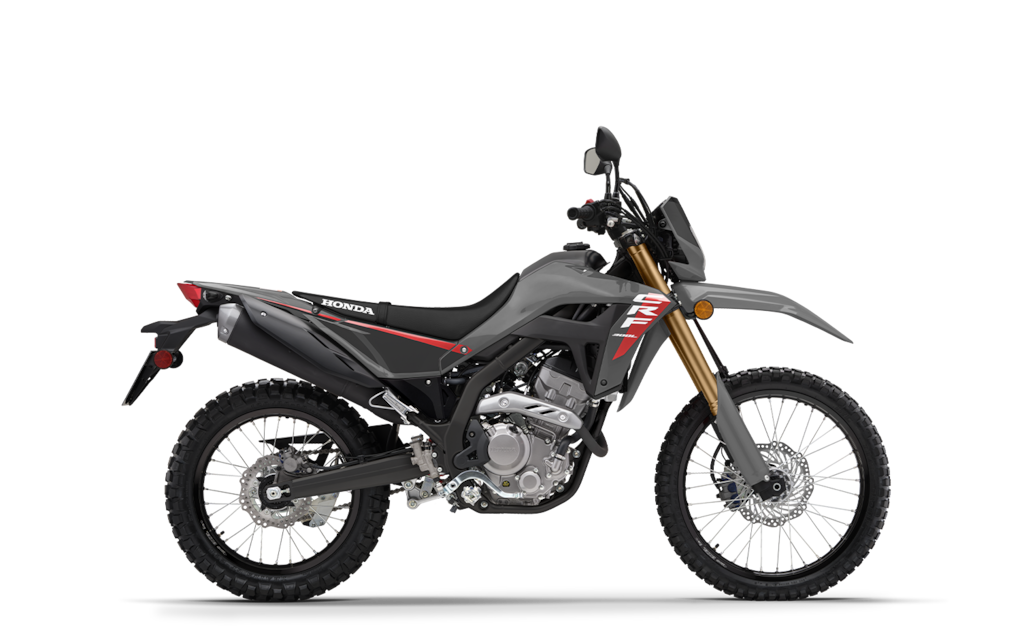 2026 Honda CRF300L showing its gold USD forks and aggressive off-road stance" loading="lazy" />
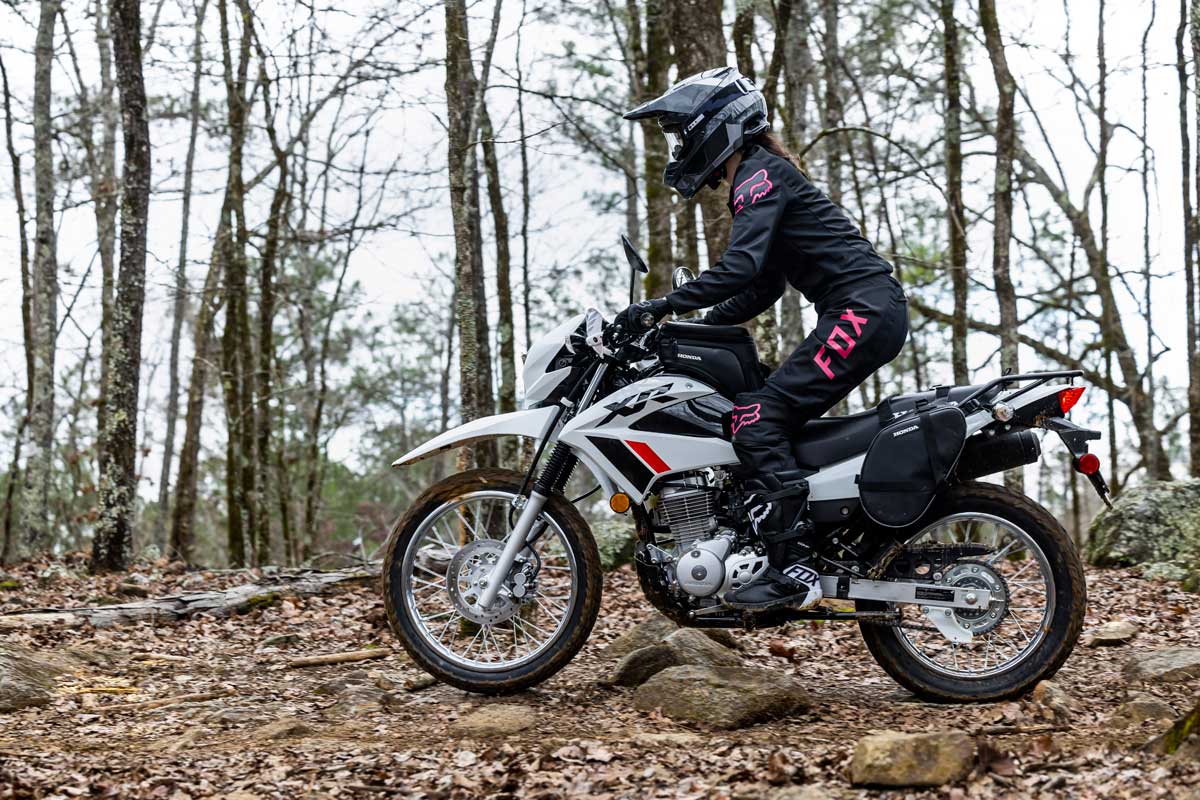
The Honda CRF300L, on the other hand, means business. The 2026 model wears a dark matte grey with red accents and sports the unmistakable DNA of Honda's off-road racing heritage. Gold USD forks, aggressive beak styling, and a taller, sportier stance communicate one thing clearly: this machine is more focused on the dirt. The CRF300L looks like it arrived from the enduro paddock and got just enough street equipment to be road-legal.
Engine and Performance: Displacement Matters
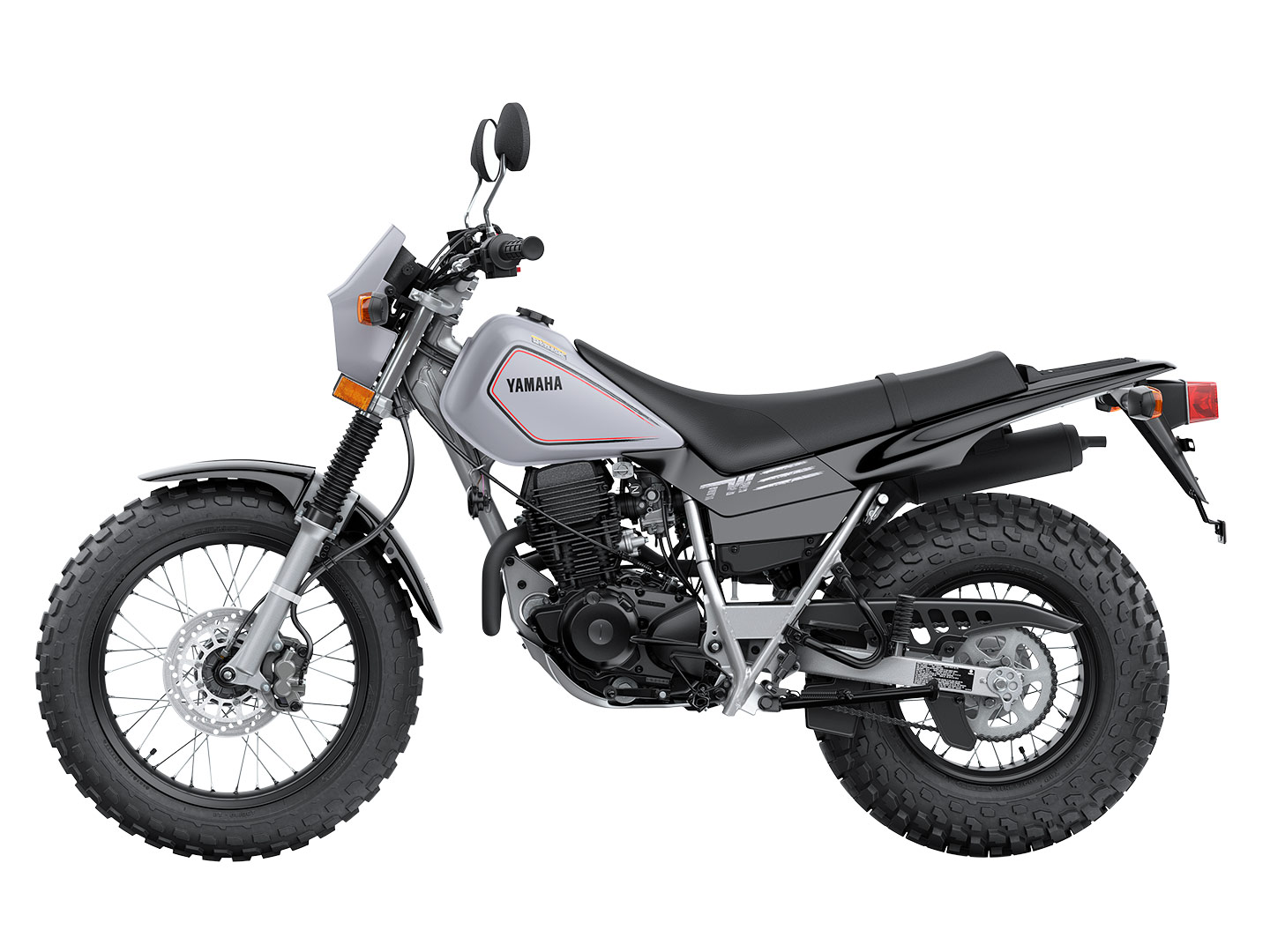
Here's where the two bikes diverge most significantly. The Kawasaki KLX230 Sherpa is powered by a 233cc air-cooled, fuel-injected single-cylinder engine. It's a smooth, tractable powerplant that delivers modest but confidence-inspiring performance. Torque comes on predictably low in the rev range, making it forgiving for newer riders and ideal for technical trail riding where throttle control is more important than outright speed. Estimated output sits around 18 horsepower — enough for spirited riding without ever feeling overwhelming.
The Honda CRF300L steps up with a 286cc liquid-cooled, fuel-injected DOHC single. That extra displacement and the more sophisticated liquid-cooled architecture translate to noticeably more power — roughly 26 horsepower — along with better sustained performance in hot conditions. The CRF300L pulls harder, revs more eagerly, and feels significantly more capable when the trails get challenging or when highway speeds are required. For riders who want to grow into their machine or regularly tackle more demanding terrain, the Honda's engine advantage is real and meaningful.
Suspension and Off-Road Capability
The CRF300L's off-road credentials extend well beyond its engine. The 2026 model rides on 43mm inverted Showa forks up front — a significant upgrade over conventional forks — paired with a Pro-Link rear monoshock. Ground clearance measures a generous 280mm (11 inches), and wheel travel is substantial front and rear. This is genuine off-road suspension architecture, and it shows on the trail. The CRF300L handles rocks, roots, and ruts with composure that belies its street-legal status.
The KLX230 Sherpa uses conventional telescopic forks and a twin-shock rear setup. Ground clearance is respectable but lower than the Honda's, and suspension travel is more modest. This doesn't make the Sherpa a poor off-road performer — far from it. On fire roads, gravel tracks, and moderate single-track, it handles itself admirably. But riders planning to tackle technical enduro terrain or aggressive trail riding will quickly feel the Honda's suspension advantage.
Ergonomics and Rider Accessibility
This is arguably where the KLX230 Sherpa earns its strongest argument. Kawasaki has specifically engineered this bike to be approachable. The seat height comes in at approximately 830mm — notably lower than the CRF300L's 885mm perch. For shorter riders or those returning to motorcycling after a break, that extra reach-to-ground confidence cannot be overstated. The Sherpa's lighter overall weight (approximately 134kg wet versus the CRF300L's 143kg) further enhances its user-friendly character.
The CRF300L, while not a large motorcycle by any measure, will have shorter riders tiptoeing. Its taller ergonomics suit more experienced off-road riders who benefit from the standing position on the trail, but it demands a bit more commitment from the seat.
Street Manners and Practicality
Both bikes are properly street-legal and carry the necessary equipment for daily commuting. The KLX230 Sherpa, with its milder power delivery and lighter weight, actually makes an excellent urban commuter. It filters through traffic effortlessly, parks easily, and the fuel efficiency from the smaller engine is genuinely impressive. Kawasaki has also equipped it with practical features including a good instrument cluster and comfortable upright ergonomics for urban riding.
The CRF300L holds its own in the city but truly shines on longer mixed-terrain rides. It's happier at highway speeds than the Sherpa, and its stronger engine means overtaking maneuvers require less planning. Riders who split their time between trail weekends and longer moto-touring adventures will appreciate the Honda's broader operating window.
Who Should Buy Which Bike?
Choose the 2026 KLX230 Sherpa if you:
- Are a newer rider or returning to motorcycling
- Are shorter in stature and value a lower seat height
- Prioritize urban commuting alongside weekend trail riding
- Want a lighter, more manageable machine for moderate off-road use
- Prefer a lower purchase price and operating costs
Choose the 2026 CRF300L if you:
- Have some riding experience and want to push off-road limits
- Need more power for highway comfort or demanding trails
- Value premium suspension components and greater ground clearance
- Plan long mixed-terrain adventures as well as weekend trail sessions
- Want a machine you'll grow with over several years of riding
The Verdict
The 2026 Kawasaki KLX230 Sherpa and Honda CRF300L aren't really rivals in the traditional sense — they serve overlapping but meaningfully different riders. The Sherpa is the friendlier, more accessible entry point: lightweight, approachable, and genuinely fun across a wide range of riding scenarios. The CRF300L is the more capable, more serious machine for riders ready to demand more from their dual-sport adventures.
Both are excellent value propositions in a segment that continues to attract riders away from larger, heavier adventure bikes. The real winner here? Anyone lucky enough to choose between them.