The Bike That Wants to Do Everything
When Ducati first unveiled the original DesertX back in 2022, the motorcycling world paid attention. Here was a Bologna-built machine that wore its Dakar-rally DNA proudly, with long-travel suspension, chunky rubber, and a silhouette that echoed the legendary Paris-Dakar racers of the 1980s. For 2026, Ducati hasn't just refreshed the formula — they've overhauled it entirely with the DesertX Discovery, a bike that promises to be equally at home threading mountain tarmac, grinding through gravel stages, and genuinely pointing its front wheel at serious off-road terrain.
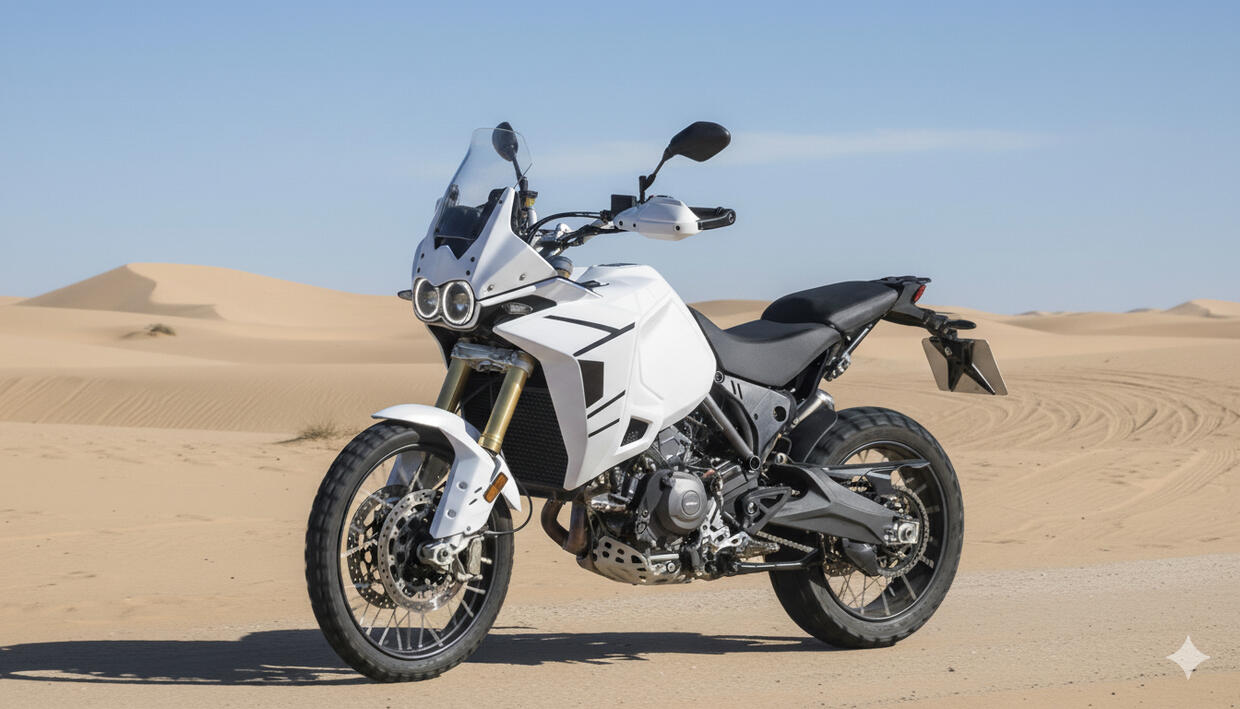
We had seven days, two countries, and roughly 1,800 kilometres of varied riding to find out if that promise holds up. Spoiler: it mostly does, and in some areas it genuinely surprises.
What Is New for 2026?
The Discovery trim builds on the standard DesertX with a package of factory-fitted upgrades that previously required a separate accessories catalogue and a fairly significant cheque. For 2026, Ducati has standardised the aluminium side cases, the full Skyhook semi-active suspension system, a larger 21-litre fuel tank, and an upgraded Brembo Stylema brake calliper setup at the front. The engine remains the familiar 937cc Testastretta 11° L-twin, but it has been retuned for 2026 with revised fuelling maps that deliver noticeably smoother power delivery at low revs — exactly where you need it when you're picking a line across loose terrain.
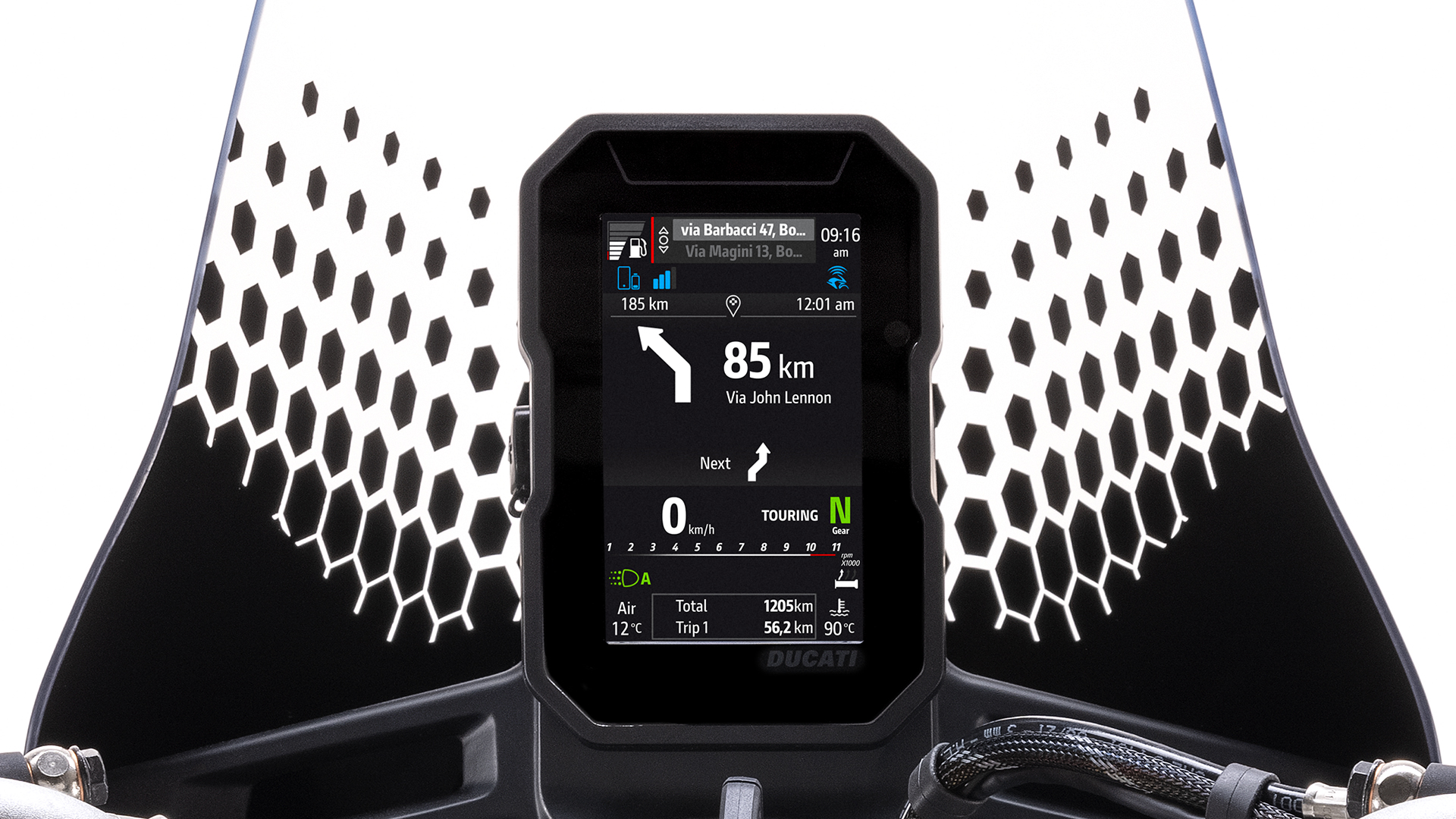
The electronics suite is now class-leading. Ducati's Vehicle Observer system has been updated to version 3.0, offering eight riding modes — including two dedicated off-road modes and a new Rally setting that relaxes traction control, allows significant rear-wheel slip, and opens the throttle response to something close to race-bike directness. A full-colour TFT dashboard, turn-by-turn navigation via Ducati Connect, and cornering ABS with an off-road-specific setting round out the package.
On Tarmac: Surprisingly Sharp
Our first two days were spent on Spanish mountain roads south of Granada, and the DesertX Discovery made an immediate impression. The riding position is upright and commanding without being fatigue-inducing, and the wide bars give excellent leverage through fast corners. With the suspension set to Sport mode and Road riding selected, the bike feels planted and communicative — qualities you don't always associate with a machine wearing 90/90-21 front rubber.
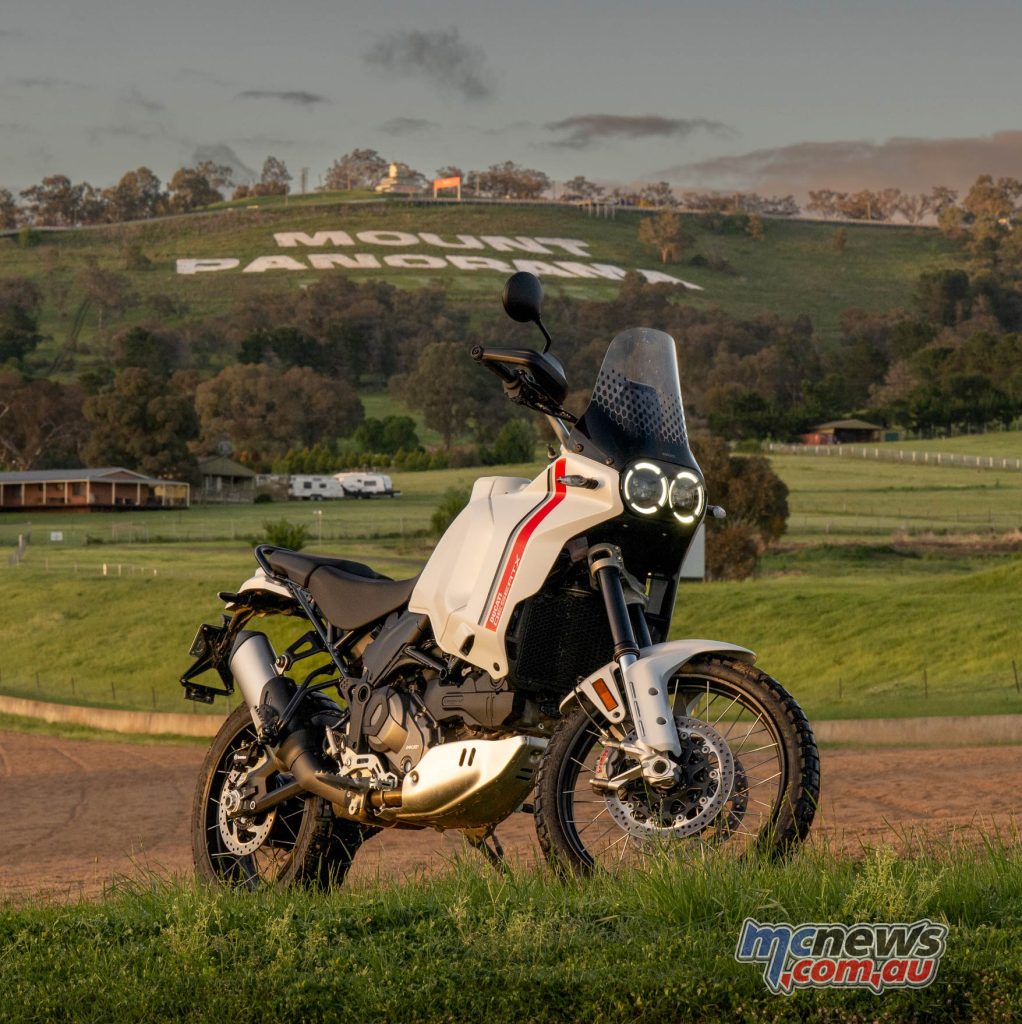
The Testastretta engine pulls with real authority from around 3,500rpm, building to a strong mid-range surge before a slightly breathless top end typical of this motor. It is not a bike for chasing superbikes through tunnels, but it never feels underpowered on real roads. Fuel consumption on tarmac averaged around 19 kilometres per litre, giving a comfortable 380-kilometre range from the enlarged tank — important for remote riding.
On Gravel: Where It Comes Alive
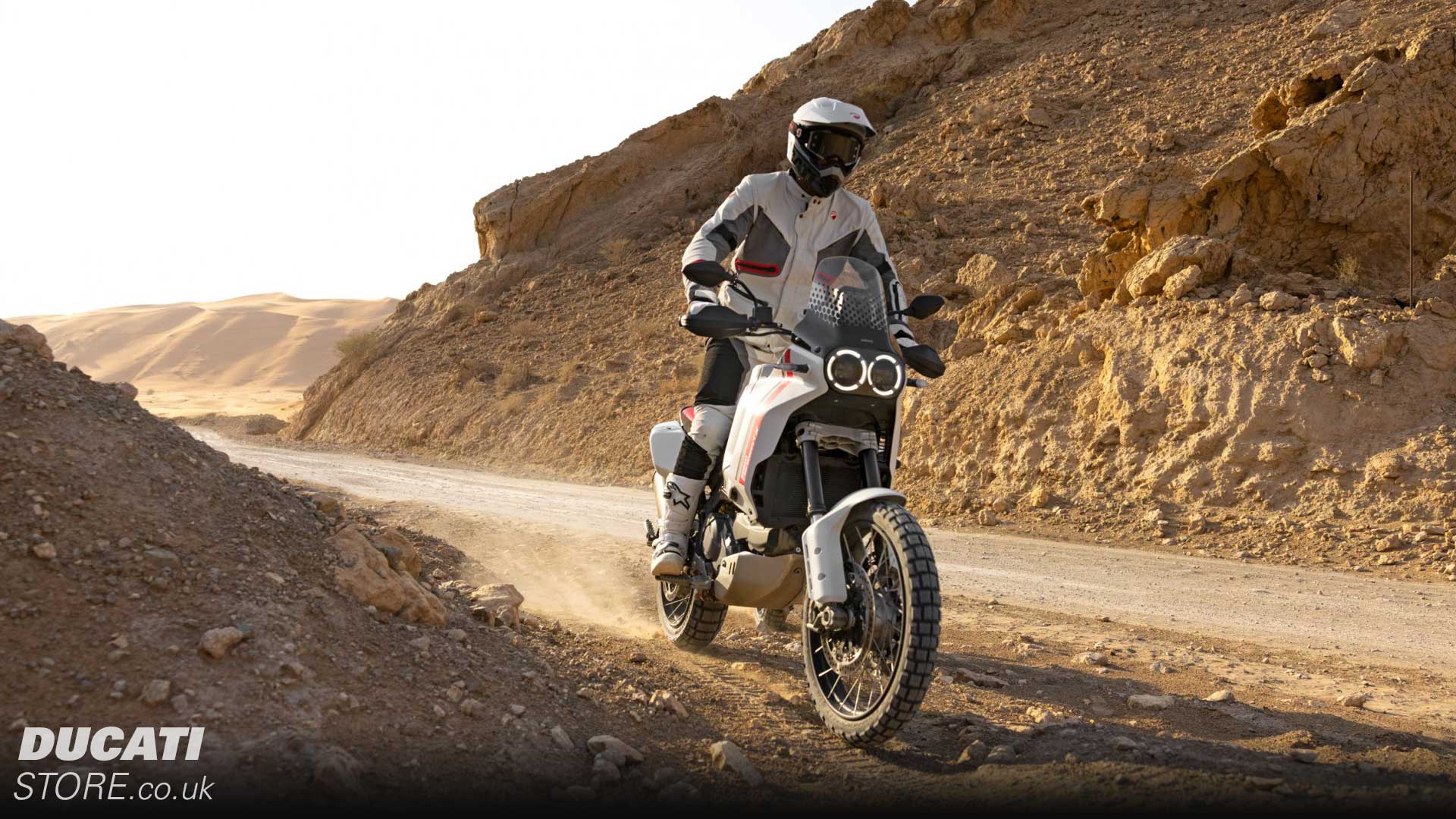
Days three through five took us across gravel tracks in Morocco, including a long stage across corrugated piste and rocky riverbeds. This is where the Discovery earns its name. The semi-active suspension is genuinely impressive in its off-road setting, soaking up square-edged hits and maintaining composure on fast, flowing gravel in a way that would have required expert fettling on the previous generation bike. Ground clearance at 250mm is class-competitive, and the 21-inch front wheel finds its own line over rough ground with minimal input required.
Switch into Rally mode and the DesertX Discovery becomes a different machine. Throttle response sharpens, the rear can be stepped out controllably, and the front ABS intervention is delayed enough to allow genuine braking on loose surfaces. For a factory bike, the level of off-road capability here is remarkable. It is not a purpose-built enduro machine, but it handles serious gravel work with a confidence that will satisfy all but the most committed off-road riders.
On Sand: Honest Assessment
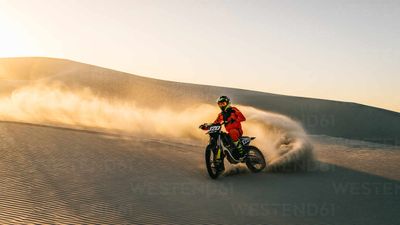
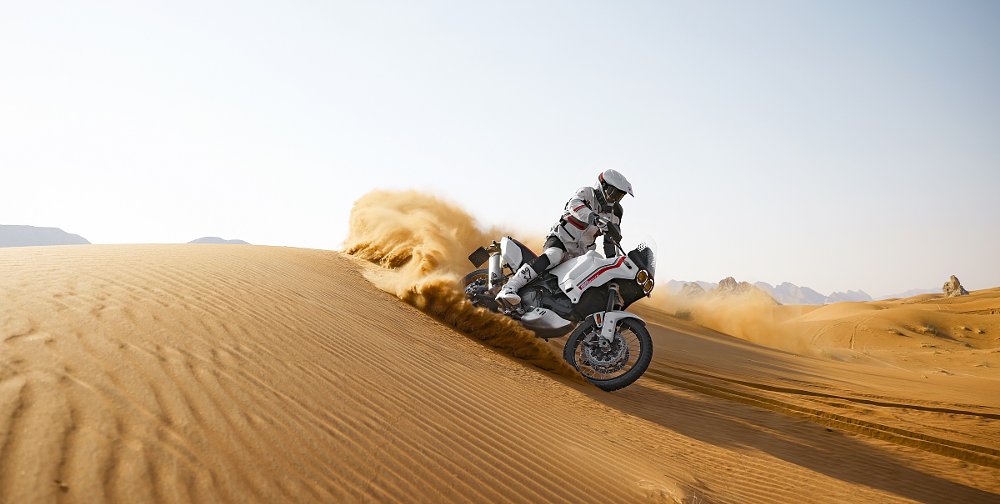
We spent the final days of our test in the dunes near Merzouga, and here the DesertX Discovery is honest about its limitations. At 228kg wet, it is not a lightweight, and soft sand demands commitment and fitness. The traction control, even in its most relaxed setting, can occasionally intervene at inopportune moments in deep sand, and the wide aluminium cases require care on narrow dune crests. That said, with the right technique and tyres — our test bikes were fitted with Pirelli Scorpion Rally STR — the bike is entirely manageable in sandy conditions. It is not a desert racer, but it will take an intermediate off-road rider deeper into genuine terrain than almost any other factory ADV bike available today.
Comfort and Practicality Over Distance
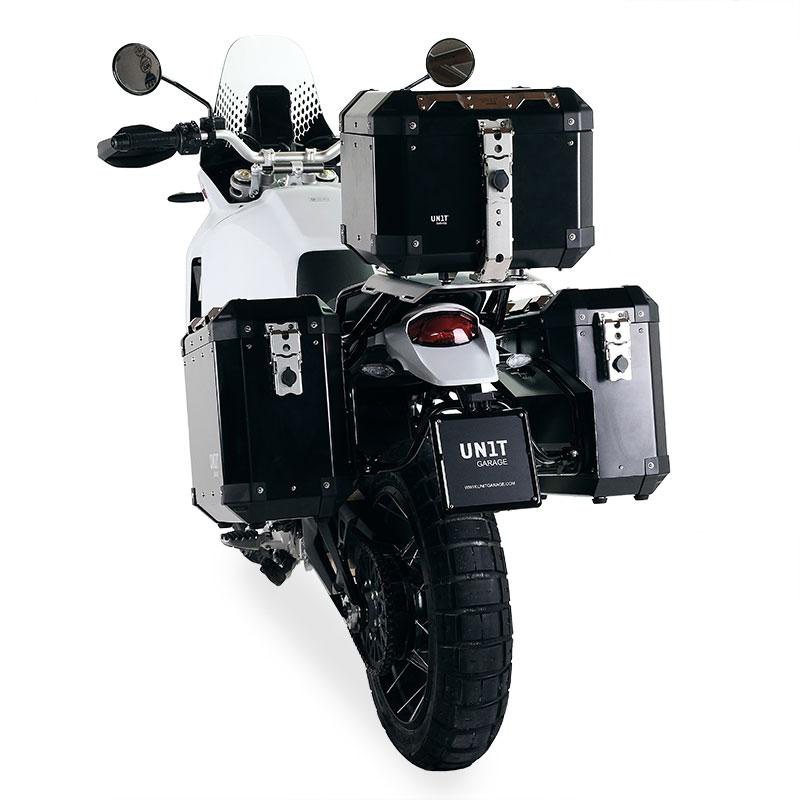
Adventure bikes live or die on long days in the saddle, and the DesertX Discovery scores well here. The seat is firm but supportive, and the riding triangle works across a wide range of rider heights. Ducati has fitted a new adjustable windscreen for 2026 that offers meaningfully better wind protection at motorway speeds — a genuine improvement over the original. The factory luggage system is robust, waterproof, and integrates cleanly with the bike's lines.
How Does It Compare?
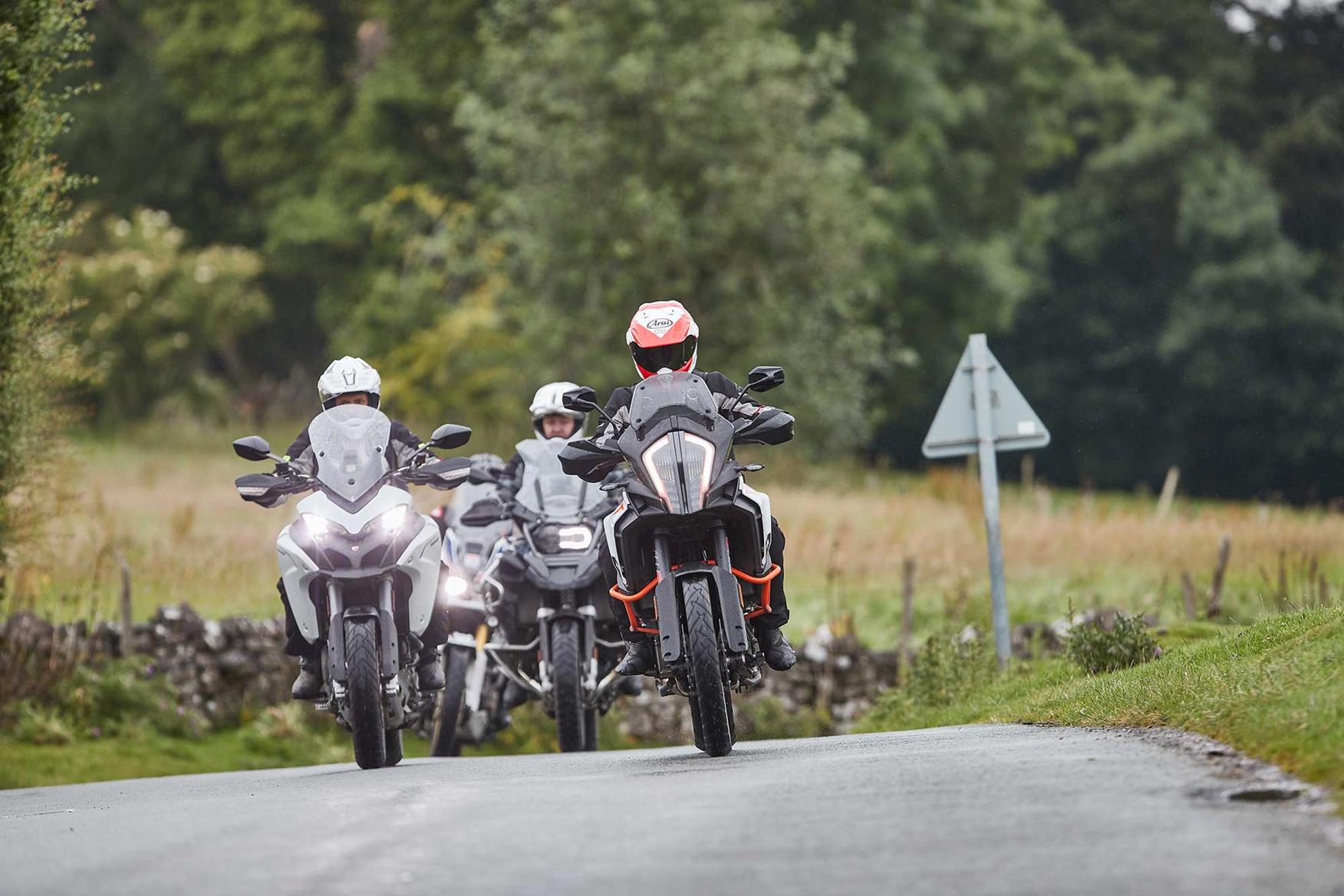
The obvious comparisons are the BMW R 1300 GS Adventure, the KTM 890 Adventure R, and the Honda Africa Twin Adventure Sports. Against the BMW, the Ducati feels more focused and more exciting, but less polished and less comfortable over very long days. Against the KTM, it offers more refinement and better luggage integration at the cost of some raw off-road agility. Against the Honda, it wins on character and electronics sophistication but demands more of its rider. None of these comparisons are simple wins — the DesertX Discovery occupies its own space in the market.
Verdict
- Engine: 937cc Testastretta L-twin, revised fuelling, strong mid-range
- Suspension: Full Skyhook semi-active, 230mm travel front and rear
- Electronics: Eight riding modes, cornering ABS, traction control, Ducati Connect navigation
- Weight: 228kg wet (with full luggage)
- Fuel tank: 21 litres
- Price: From £18,995 / €21,490 / $22,995
The 2026 Ducati DesertX Discovery is the most complete adventure motorcycle Ducati has ever built, and it makes a genuine case for being the most capable factory ADV bike available today. It is not flawless — the weight is felt in deep sand, and long motorway days demand more discipline than a BMW — but no single machine excels in every environment. What the DesertX Discovery does better than almost anything else is make every kind of riding feel deliberate and rewarding. Seven days in, we didn't want to give it back.