Carburetor vs Fuel Injection: The Ultimate Breakdown for 2026 Riders
The debate between carburetors and fuel injection has been raging in garages and forum threads for decades. And while modern motorcycle manufacturing has largely moved toward fuel injection across every segment, carburetors remain alive, well, and beloved by a dedicated community of riders and builders. In 2026, the question isn't just about nostalgia versus technology — it's about what actually serves your riding goals, your budget, and your mechanical appetite. Let's break it all down.
How Each System Works
Before comparing performance and reliability, it helps to understand what each system is actually doing under the hood.
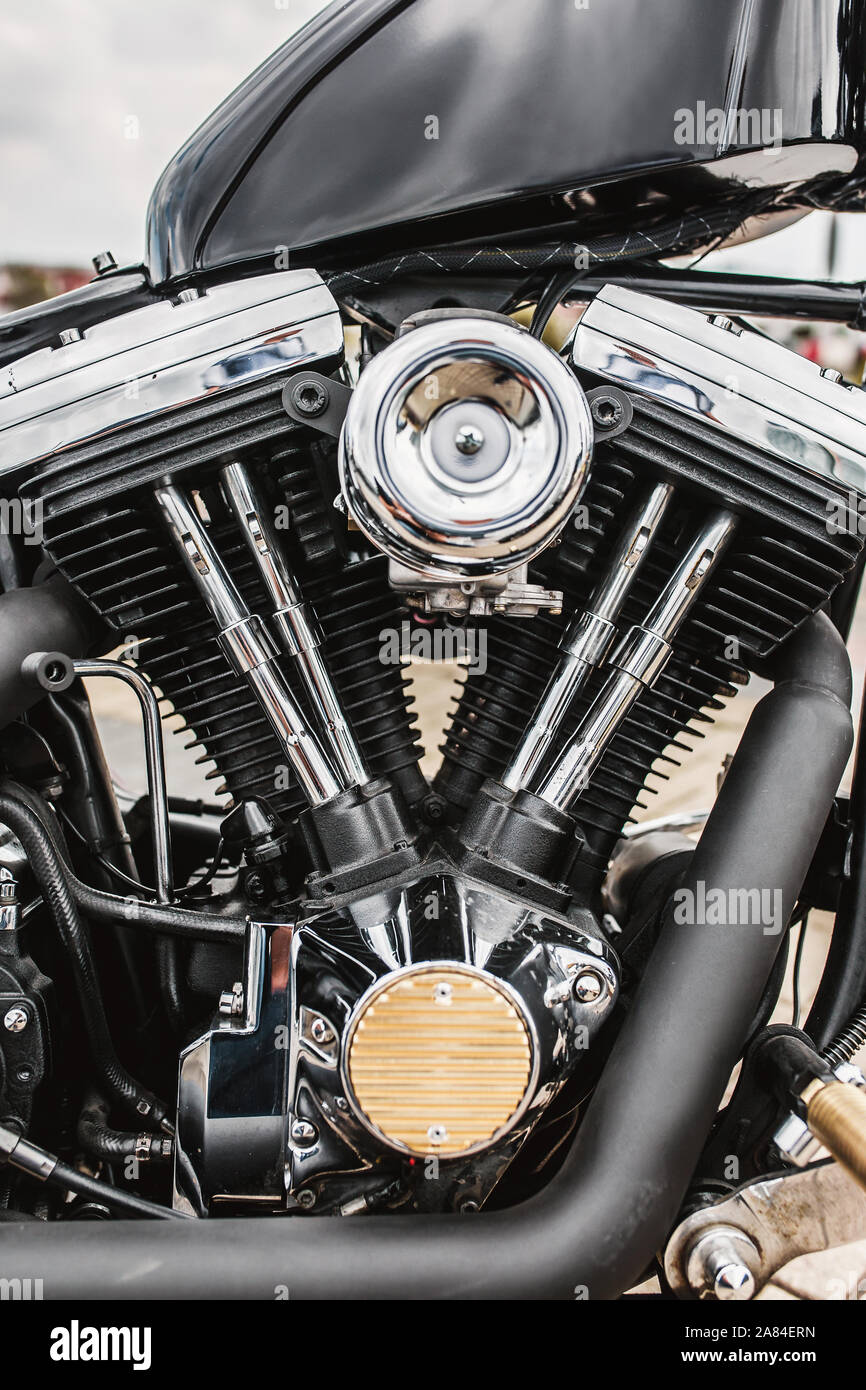
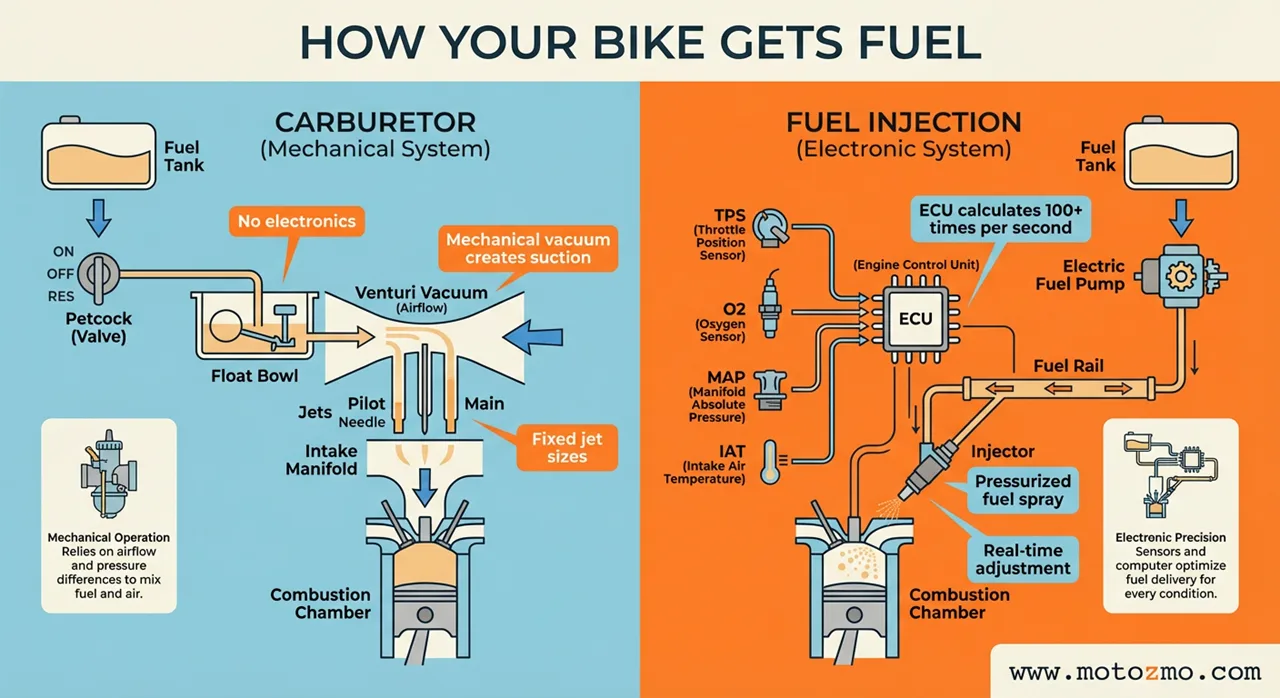
A carburetor is a purely mechanical device that mixes air and fuel using vacuum pressure created by the engine. As the engine pulls air through the carb, fuel is drawn from a float bowl and atomized into the airstream. The ratio of that mixture is governed by jets, needles, and slides — all fixed or manually adjustable components. Carbs require no electronics to function and have been used on motorcycles since the early days of the internal combustion engine.
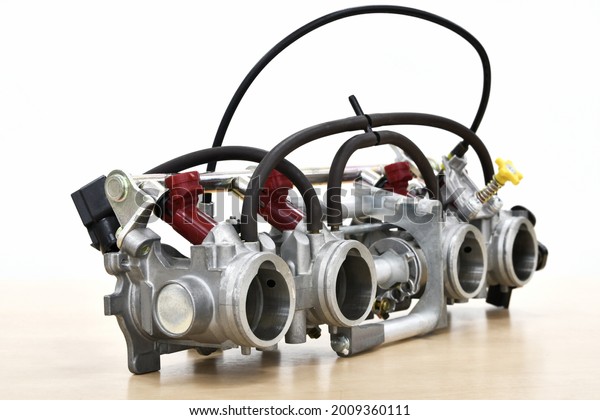
Fuel injection (FI), by contrast, uses a series of electronic sensors — throttle position, engine temperature, air pressure, oxygen levels — to calculate the precise amount of fuel to spray directly into the intake port or cylinder. An Electronic Control Unit (ECU) processes all this data in real time, thousands of times per second, and commands the fuel injectors to deliver exactly the right amount of fuel for any given condition.

Performance: Where Does Each System Shine?
Throttle Response and Driveability
Fuel injection wins decisively here. Because the ECU is constantly reading and reacting to live engine data, FI systems deliver crisp, consistent throttle response across all RPM ranges, temperatures, and altitudes. Carbureted bikes, by contrast, can be notoriously finicky. Ride a carbed bike from sea level up to a mountain pass and you may find it runs rich, stumbles, or loses power — because the fixed jetting can't compensate for the thinner air.
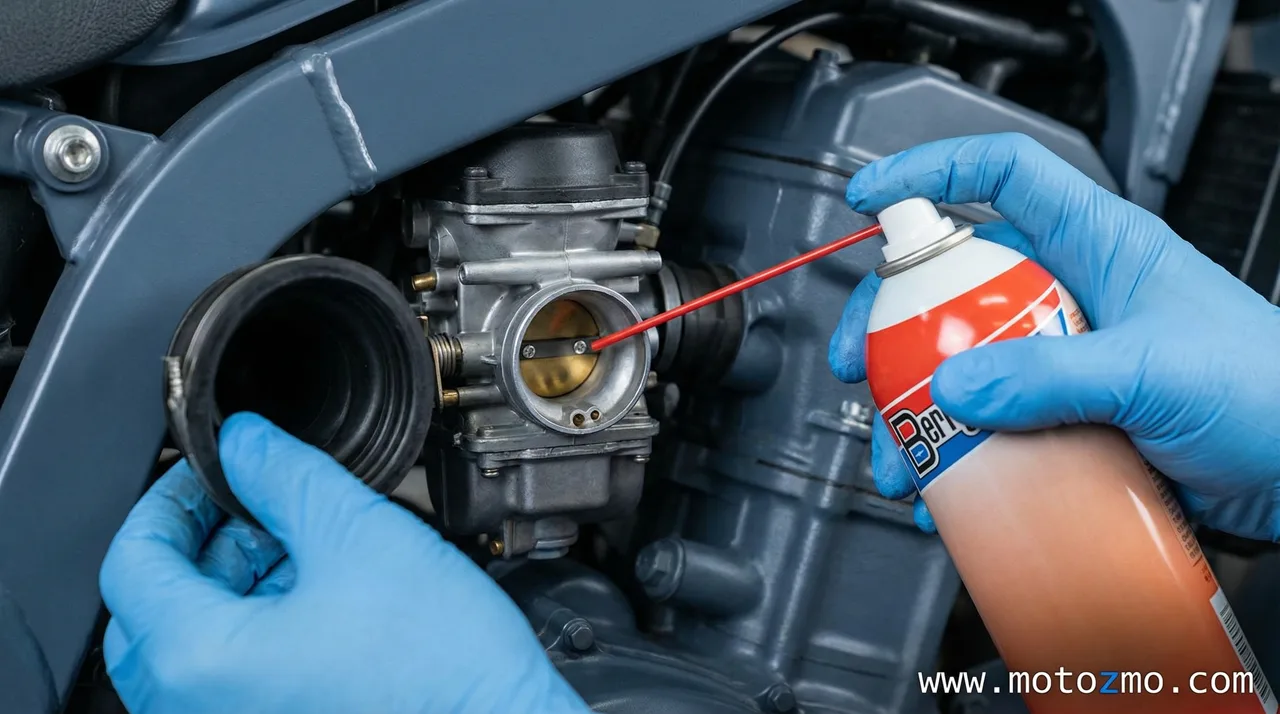
That said, a properly tuned carburetor on the right engine can feel incredibly responsive and direct — many vintage and classic riders argue there's an organic connection to the engine that FI simply can't replicate. It's partly physics, partly feel, and partly romance.
Cold Starts and Weather Sensitivity
This is one of the most practical day-to-day differences. Fuel-injected bikes start reliably in cold weather, hot weather, and everywhere in between. The ECU automatically enriches the fuel mixture for cold starts and adjusts as the engine warms up. There's no choke lever, no waiting, no ritual.
Carbureted bikes require the rider to manually engage a choke (or enriching circuit) on cold mornings, then gradually reduce it as the engine warms. Get it wrong and you risk fouling plugs, stalling in traffic, or loading up the engine with unburned fuel. In freezing temperatures, carbs can ice up or refuse to start without a warm garage and some patience.
Peak Power and Tuning
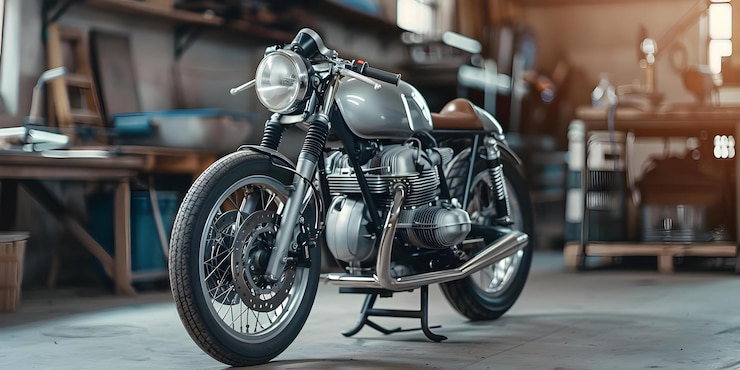
In stock form, a well-mapped FI system will typically produce more consistent peak power than a carburetor. But in the world of performance tuning and custom builds, carburetors have a devoted following. Replacing jets, needles, and slides is relatively simple and inexpensive. For race applications on older platforms — think flat-track, vintage road racing, or old-school café racers — skilled tuners can extract impressive performance from a well-sorted carb setup.
FI tuning, however, has become increasingly accessible with aftermarket ECU flashing tools and auto-tune systems. Products like the Power Commander or Bazzaz FI controller allow riders to remap fueling tables for aftermarket exhausts and air filters with precision that carbs simply can't match.
Reliability: Which System Lasts Longer?
Reliability is where the conversation gets genuinely nuanced.
Carburetors have fewer points of failure from an electronics standpoint. There are no sensors to fry, no wiring harnesses to chafe, and no ECUs to corrupt. A well-maintained carb can last the life of the motorcycle. However, carbs are sensitive to fuel quality, and ethanol-blended fuels (increasingly common) can degrade rubber components, gum up jets with residue, and cause float valves to stick — especially if the bike sits for extended periods. If you leave a carbed bike sitting for a season without draining or stabilizing the fuel, you may return to a gummed-up mess that requires a full carb rebuild.
Fuel injection systems, while more electronically complex, are generally more robust in real-world use. The sealed injectors are less susceptible to fuel varnishing, and the ECU is typically well-protected from the elements. That said, when something does go wrong — a failed throttle position sensor, a faulty injector, or ECU corruption — the repair often requires diagnostic tools and specialized knowledge that isn't available in a remote roadside scenario. For adventure riders heading deep into the backcountry, this is a legitimate concern.
Maintenance: Time, Cost, and Skill Requirements
Carburetor Maintenance
- Requires periodic cleaning and jetting inspection, especially after storage
- Synchronizing multiple carbs on parallel or flat-four engines is time-consuming but doable at home
- Rebuild kits are inexpensive — often under $30 per carb
- No specialized diagnostic tools required
- Ideal for DIY mechanics who enjoy hands-on wrenching
Fuel Injection Maintenance
- Generally lower routine maintenance — injectors rarely need attention under normal use
- Throttle body synchronization is required periodically and benefits from a vacuum gauge or specialized tool
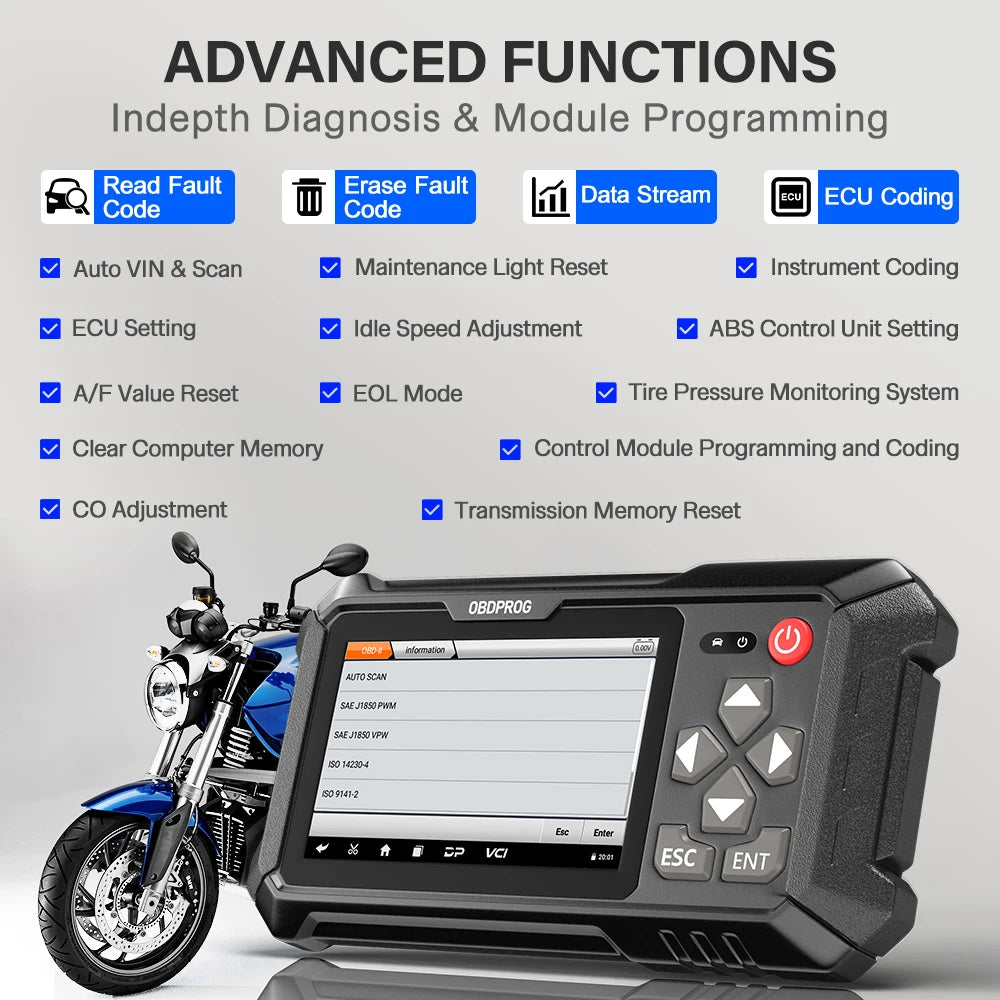
- Diagnostic trouble codes require a scan tool or dealer visit to read on many models
- Injector cleaning services may be needed every 20,000–40,000 miles depending on fuel quality
- Higher repair costs if electronic components fail outside of warranty
Which Setup Is Right for You in 2026?
If you're buying a new motorcycle in 2026, the decision is largely made for you — virtually every modern production bike uses fuel injection. Manufacturers including Honda, Yamaha, Kawasaki, Suzuki, BMW, KTM, and Ducati have standardized on FI across their entire lineups, driven by emissions regulations, warranty reliability standards, and consumer expectations. The days of buying a new carbed bike from a major manufacturer are essentially over.
But if you're building, restoring, or shopping the used market, the choice is very real. Choose a carburetor if you love the mechanical simplicity, enjoy wrenching, ride in a limited geographic range without extreme altitude swings, and value a lower-cost path to tuning and repair. Choose fuel injection if you want reliable cold starts, consistent performance across all conditions, modern emissions compliance, and a lower-maintenance ownership experience.
Final Verdict
Neither system is categorically superior — both have earned their place in motorcycling's history and future. Fuel injection is the practical choice for the vast majority of modern riders, offering superior adaptability, consistency, and ease of use. But carburetors carry a soul and simplicity that keeps them relevant in the custom, vintage, and DIY communities for good reason. Know what you want from your riding life, understand the trade-offs honestly, and you'll make the right call every time.