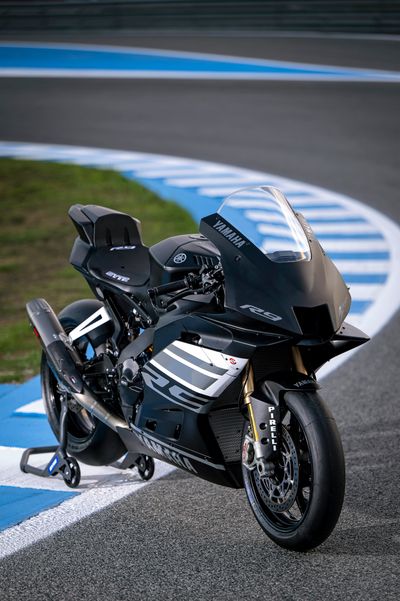
Yamaha Brings Back the R1M: A New Era for the Ultimate Superbike
After years of rumors, spy shots, and breathless forum speculation, Yamaha Motor Corporation has made it official: the 2028 Yamaha YZF-R1M is coming back, and it is coming back in a bigger, bolder, and more technologically advanced form than ever before. In a formal press announcement accompanied by a global media event held at the Yamaha Communication Plaza in Iwata, Japan, the company pulled the covers off what it is calling "the definitive expression of superbike engineering for a new generation."
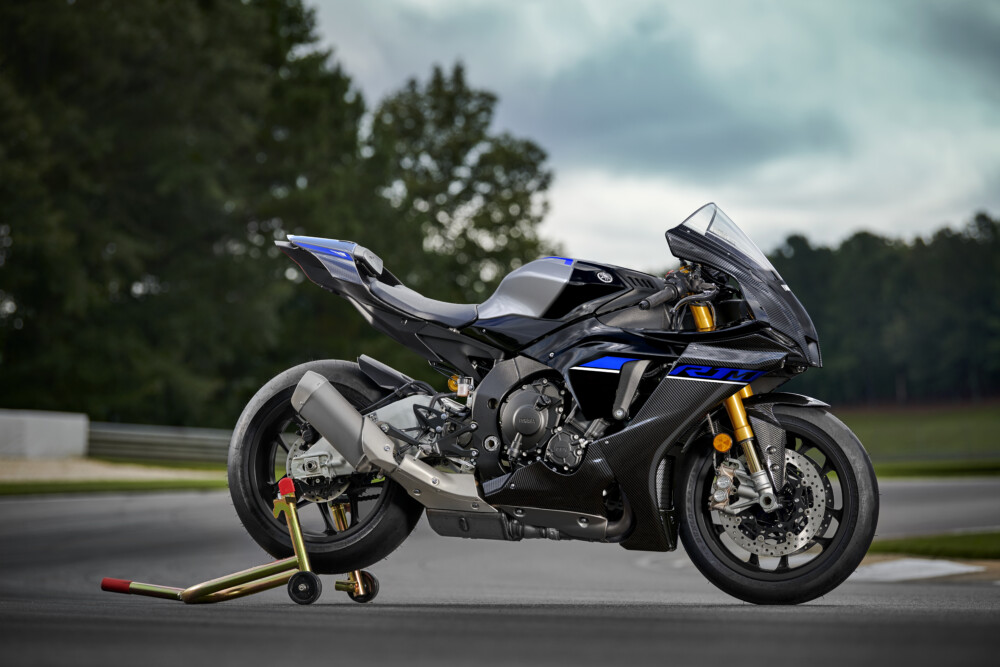
The R1M nameplate has carried immense weight in the motorcycle world since it was first introduced as the top-tier variant of the R1 lineup. Combining flagship performance hardware with premium electronics, exclusive Öhlins suspension, and carbon fiber bodywork, the M badge has always represented something more than just a fast motorcycle. It is a statement. And with the 2028 edition, Yamaha appears determined to reclaim the performance crown in an increasingly competitive superbike segment.
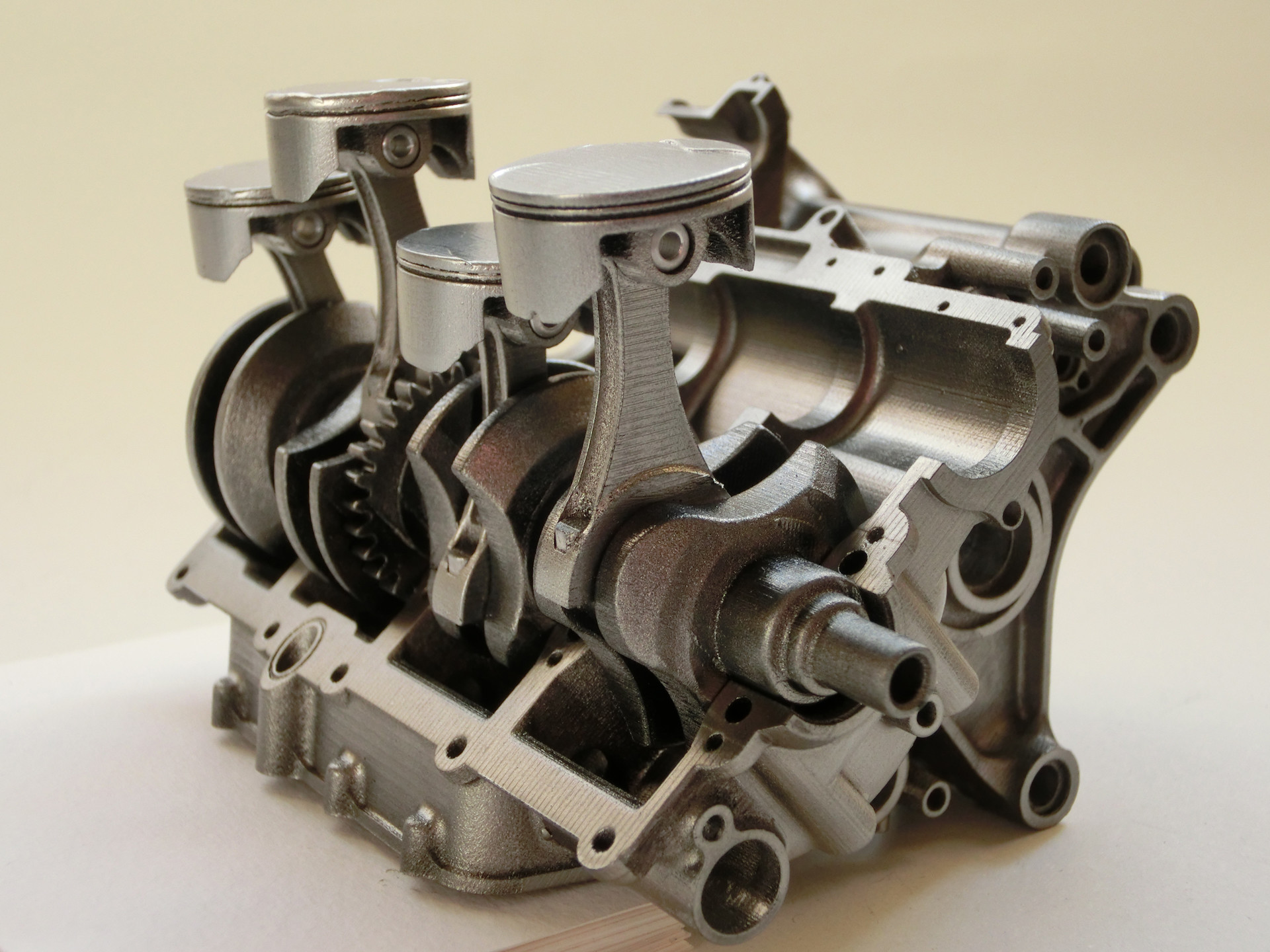
Engine and Powertrain: The Crossplane Heart Gets Smarter
At the core of the 2028 R1M is an extensively revised version of Yamaha's legendary 998cc crossplane crankshaft inline-four engine. While the fundamental architecture remains faithful to the design philosophy that has defined the R1 for over a decade, engineers have reportedly extracted significant gains across the entire powerband.
- Peak power output: Approximately 220 hp at the crank, up from the previous generation's 200 hp figure
- Torque: Revised combustion chamber geometry and new titanium connecting rods contribute to improved mid-range torque delivery
- Fuel system: Updated ride-by-wire throttle bodies with variable-geometry intake funnels for optimized airflow across rpm ranges
- Exhaust: A new titanium Akrapovič co-developed exhaust system is standard equipment on the M variant, shedding meaningful weight over outgoing steel systems
- Cooling: Enhanced water-cooling circuit with an updated radiator layout designed to manage thermal load during sustained track sessions
Perhaps most significantly, the 2028 R1M introduces a new hybrid-assist system Yamaha is calling Y-BOOST. This is not a full hybrid powertrain in the traditional sense — it is a lightweight integrated starter-generator unit mounted to the crankshaft that provides a brief torque supplement at corner exit, particularly useful in lower gears during track riding. Yamaha is careful to position this as a performance tool rather than an efficiency measure, and the system can be fully deactivated for purists who prefer unassisted mechanical feel.
Chassis and Suspension: Precision Redefined
The 2028 R1M rides on an all-new deltabox aluminum frame that Yamaha says is both stiffer in torsion and more compliant longitudinally than the outgoing design — a combination achieved through computational fluid dynamics-informed casting techniques and targeted wall thickness adjustments. Swingarm design is similarly evolved, with a new asymmetric layout that accounts for chain-side loading more effectively.
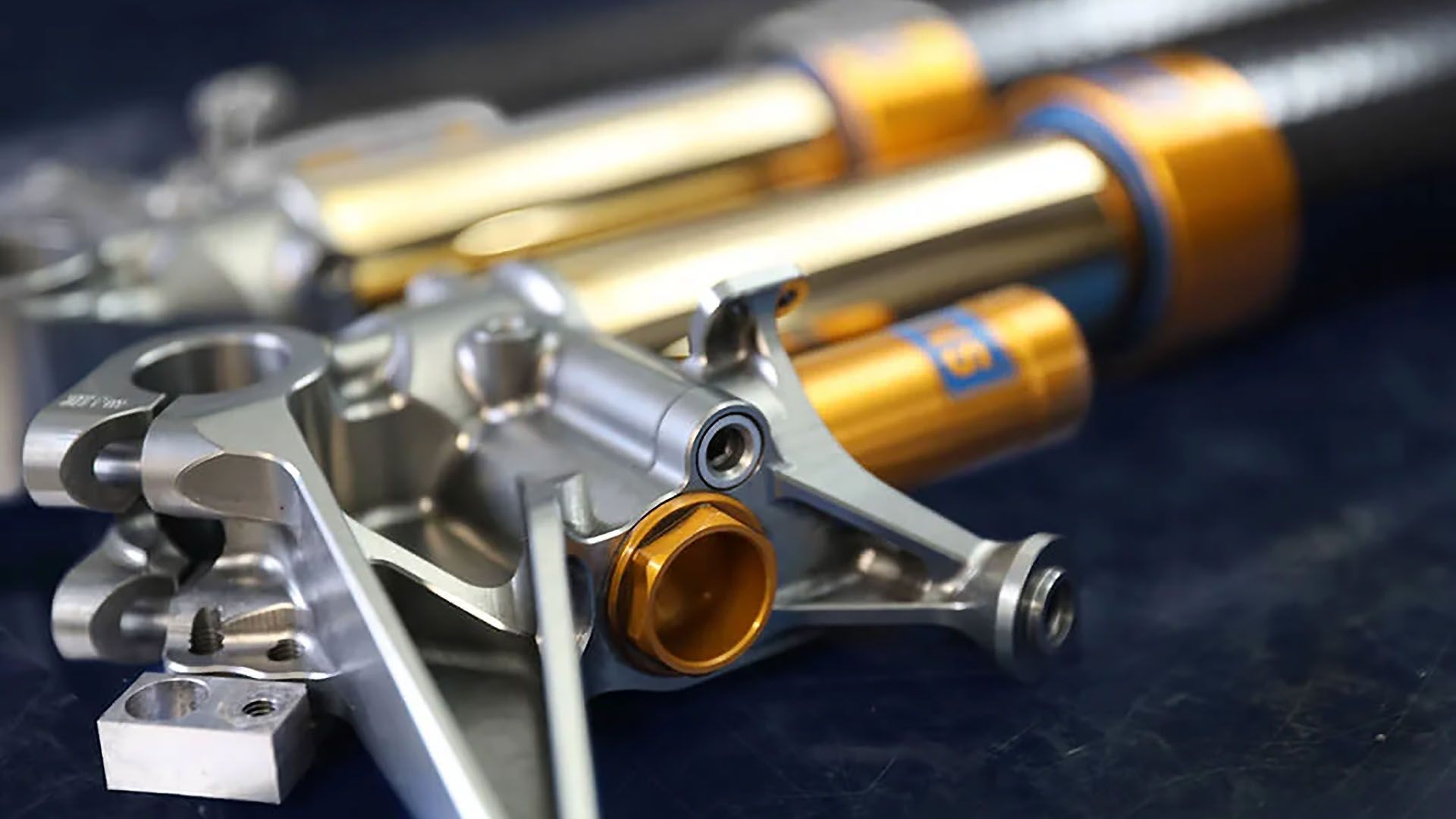
Suspension duties on the M variant are handled exclusively by a bespoke Öhlins NPX-II front fork and a rear TTX-GP shock absorber, both featuring electronically adjustable damping linked to the motorcycle's onboard Inertial Measurement Unit. This fully active suspension system continuously reads chassis attitude, pitch, roll, and yaw at a high refresh rate and makes micro-adjustments in real time — a capability that was previously the domain of prototype MotoGP machinery.
Braking is handled by Brembo Stylema R monobloc calipers front and rear, paired with a 320mm dual-disc front setup. Cornering ABS calibration has been overhauled in collaboration with Bosch Motorsport, and riders can now dial in the ABS intervention level independently from the traction control map — a level of granularity that track-focused riders have long requested.
The Carbon Fiber Package: Lightweight Meets Luxury
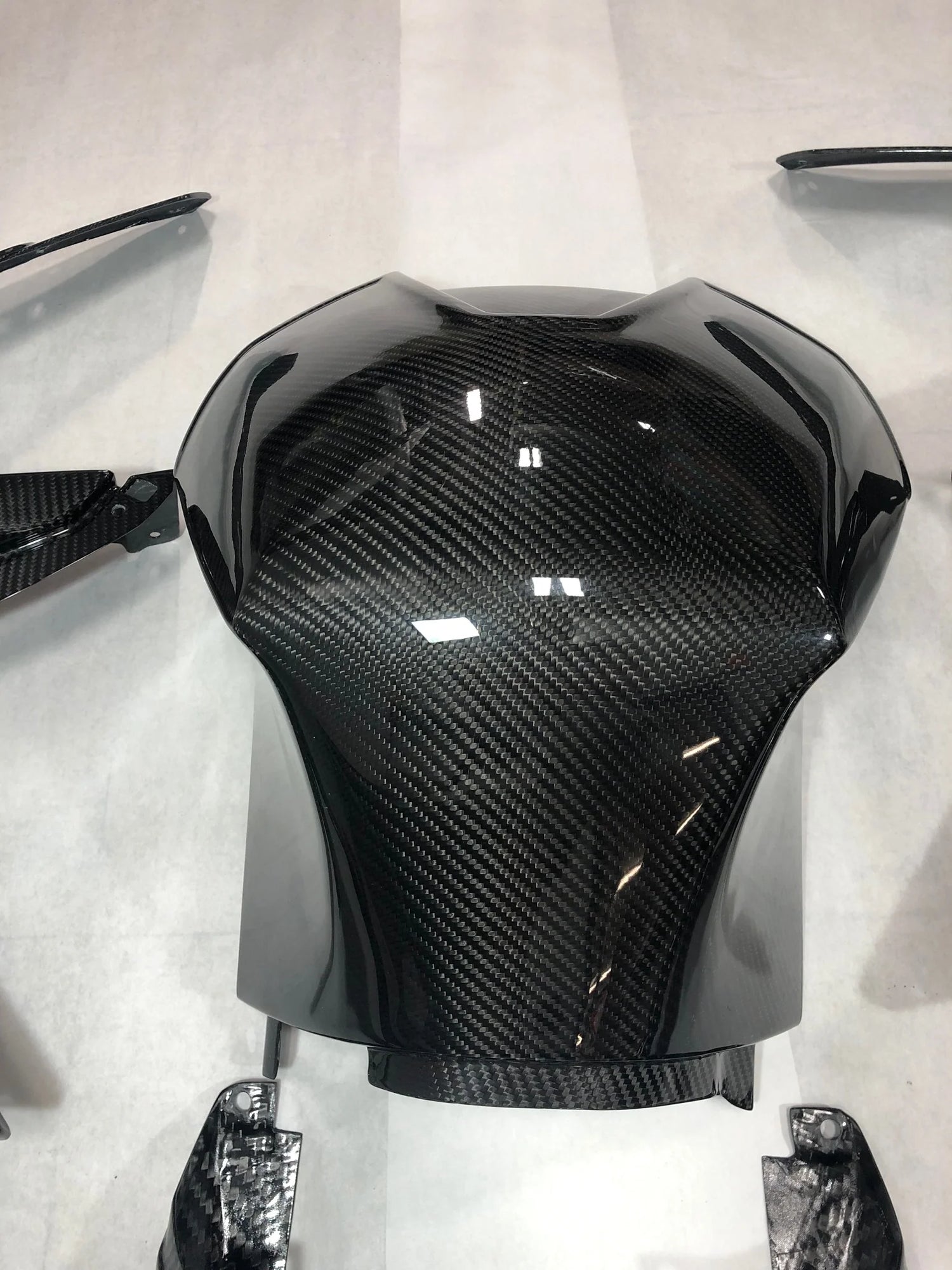
One of the most talked-about elements of the 2028 announcement is what Yamaha is calling the Carbon Fiber Premium Package, which is standard on every R1M unit produced. This is not cosmetic carbon fiber applied as an afterthought — it is structural and aerodynamic carbon integrated throughout the motorcycle's design.
- Full carbon fiber fairing panels, including upper cowl, mid-fairing, and belly pan
- Carbon fiber subframe, saving approximately 900 grams over an equivalent aluminum unit
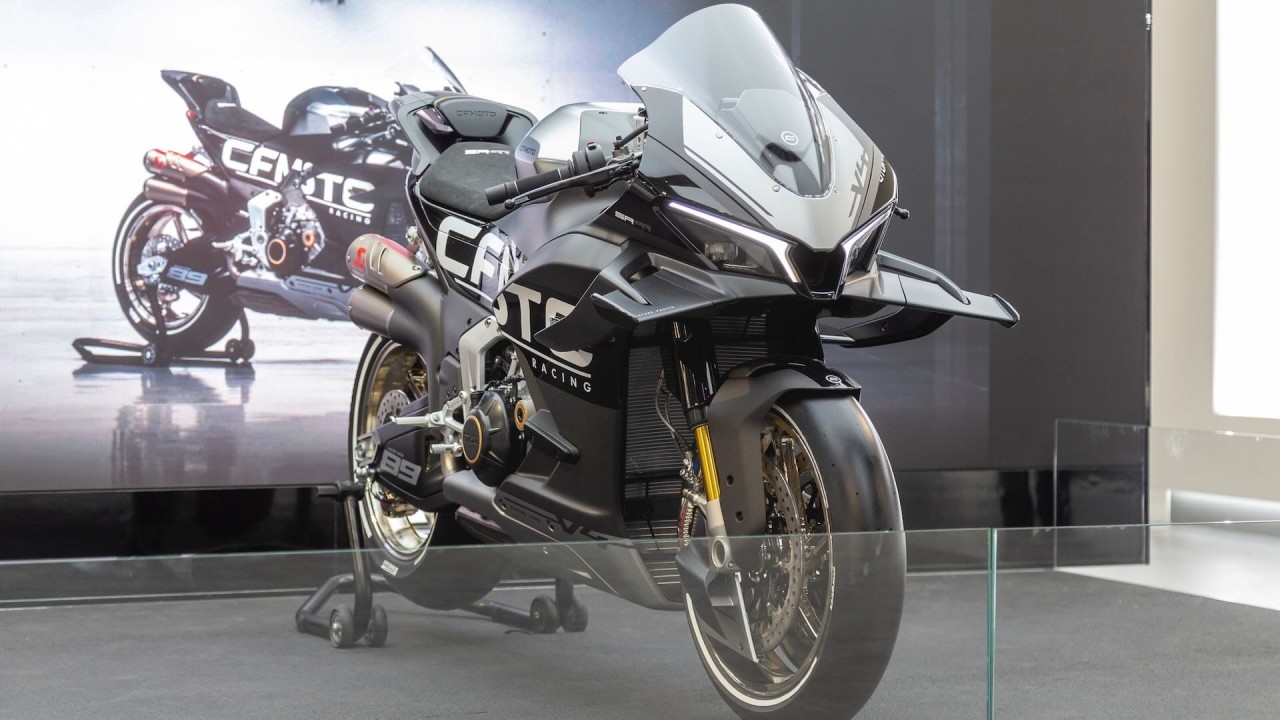
- New active aerodynamic winglet system with carbon fiber construction — the wings can adjust their angle of attack electronically at speeds above 80 km/h
- Carbon fiber wheel option available as a factory accessory at point of sale, developed in partnership with Marchesini
- Dry weight with the carbon wheel upgrade is expected to come in under 195 kg — a remarkable figure for a motorcycle with this level of electronic content
The active aerodynamic system deserves special mention. While fixed winglets have become commonplace in the superbike world, dynamically adjustable aero at the production level is still a rarity. Yamaha's system works in concert with the electronics suite to maximize front-end downforce under braking and reduce drag on long straights — a genuine engineering achievement that translates directly from the company's MotoGP program.
Electronics Suite: World-Class Technology, Rider-Friendly Interface
The 2028 R1M ships with what Yamaha describes as its most sophisticated electronics package ever offered on a production motorcycle. A six-axis IMU anchors the system, feeding data to an updated suite that includes:
- Slide control, lift control, launch control, and wheelie control
- Updated D-MODE ride modes with full custom mapping capability via smartphone app
- GPS-linked corner analysis available through the Yamaha Ride Hub app ecosystem
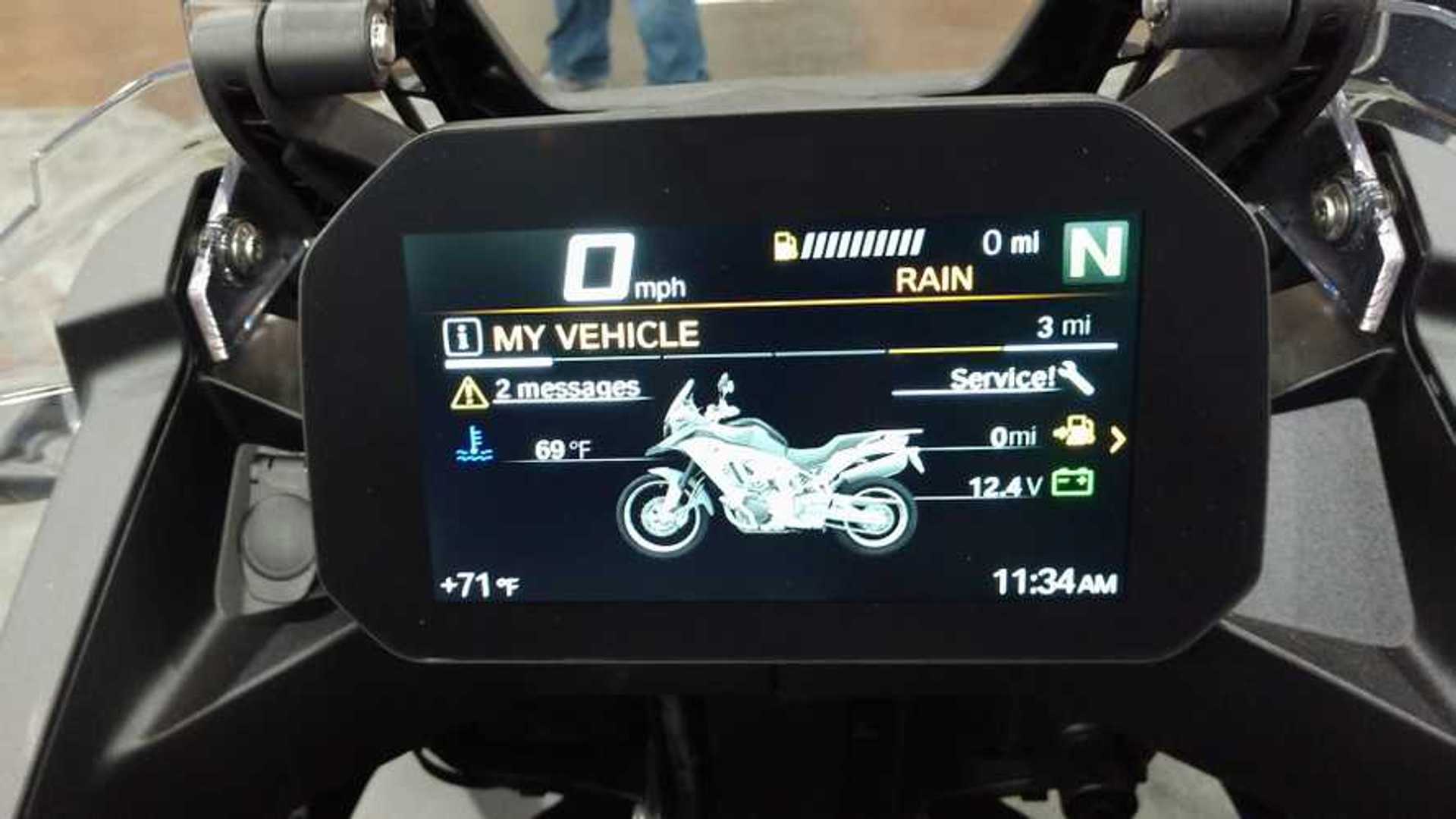
- A new 6.5-inch TFT color display with glove-friendly haptic navigation
- Track-mode data logging with lap timing and suspension telemetry export
Global Launch Date and Availability
Yamaha has confirmed a phased global launch beginning in the first quarter of 2028. Japan and European markets will receive initial allocation, with North American deliveries expected to follow by late spring of the same year. Pricing has not been officially confirmed at the time of writing, but industry analysts expect the R1M to carry a significant premium over the standard R1, likely positioning it in the $30,000–$35,000 USD range given the scope of the carbon fiber package and active suspension hardware.
Production numbers will be limited, consistent with Yamaha's historical approach to the M variant. Prospective buyers are strongly encouraged to contact their authorized Yamaha dealer early to register interest and secure a build slot.
Final Thoughts: The Superbike Wars Just Got Interesting Again
The 2028 Yamaha YZF-R1M is not simply a refresh of a beloved model — it is a full-throated declaration that Yamaha intends to compete at the absolute cutting edge of production superbike technology. From the Y-BOOST hybrid assist and active aerodynamics to the all-carbon structure and world-class Öhlins suspension, this motorcycle raises the bar in nearly every measurable category. If the final production version delivers on what the spec sheet promises, the Yamaha R1M may well define what a superbike can be for the next decade.