The Scout Gets Plugged In
Few names in American motorcycling carry as much weight as the Indian Scout. Since its revival in 2015, the Scout has won over a generation of riders who wanted classic cruiser style without the commitment of a full dresser. So when Indian Motorcycle announced that the 2026 Scout Classic would be the brand's first fully electric production Scout, the response was predictably divided. Purists reached for the pitchforks. EV enthusiasts started configuring theirs online. We did what we always do: we grabbed a press unit and put miles on it.
Seven hundred miles, to be precise. We ran the 2026 Indian Scout Classic through urban commutes, sweeping canyon roads, a 400-mile interstate slog, and a handful of twisty backroads that had no business being on our route but were too good to pass up. Here's everything we found.
First Impressions: Does It Look Like a Scout?
Walk up to the 2026 Scout Classic without knowing its powertrain story, and you'd be hard-pressed to immediately identify it as an EV. Indian's design team has done genuinely impressive work preserving the Scout's visual DNA. The teardrop tank shape is intact — it now houses a portion of the battery management electronics, but it reads as a tank. The exhaust-side of the frame has been sculpted to suggest pipes where none exist, a detail some will find clever and others will find dishonest. We landed somewhere in the middle.
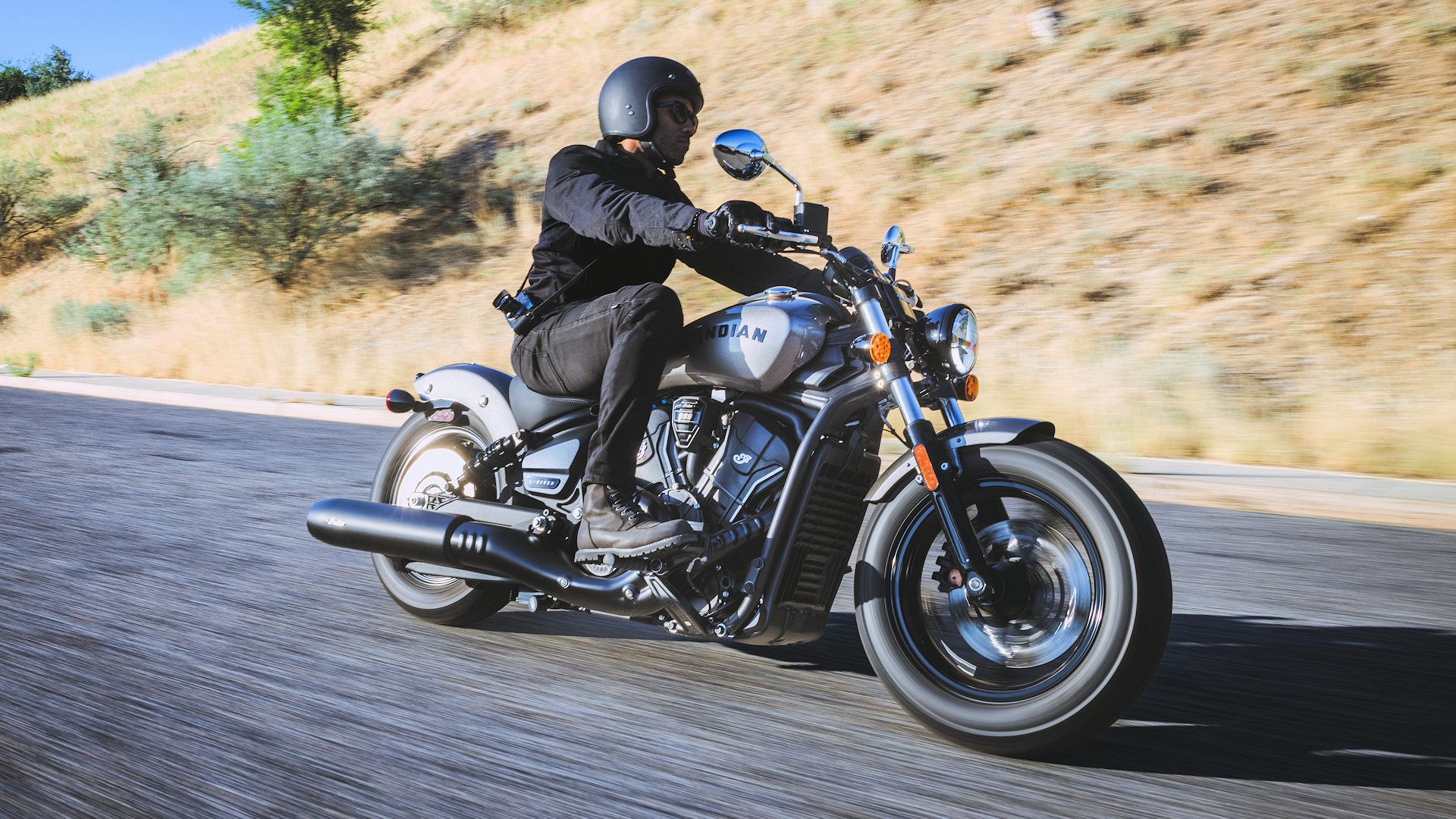
The motor sits in roughly the same position as the previous V-twin, helping maintain familiar visual proportions. Spoked wheels, a wide handlebar sweep, and a low seat height of 25.6 inches are all carried over philosophically from the outgoing gas model. The fit and finish is excellent — paint depth, chrome quality, and panel gaps are all class-leading for an American cruiser at this price point.
The Numbers You Actually Care About
- Motor output: 90 ft-lb of torque, 79 horsepower (peak)
- Battery capacity: 17.2 kWh usable
- Claimed range: 150 miles (city), 110 miles (highway)
- Real-world range (our test): 94–138 miles depending on conditions
- Charge time (DC fast charge): 20–80% in approximately 40 minutes
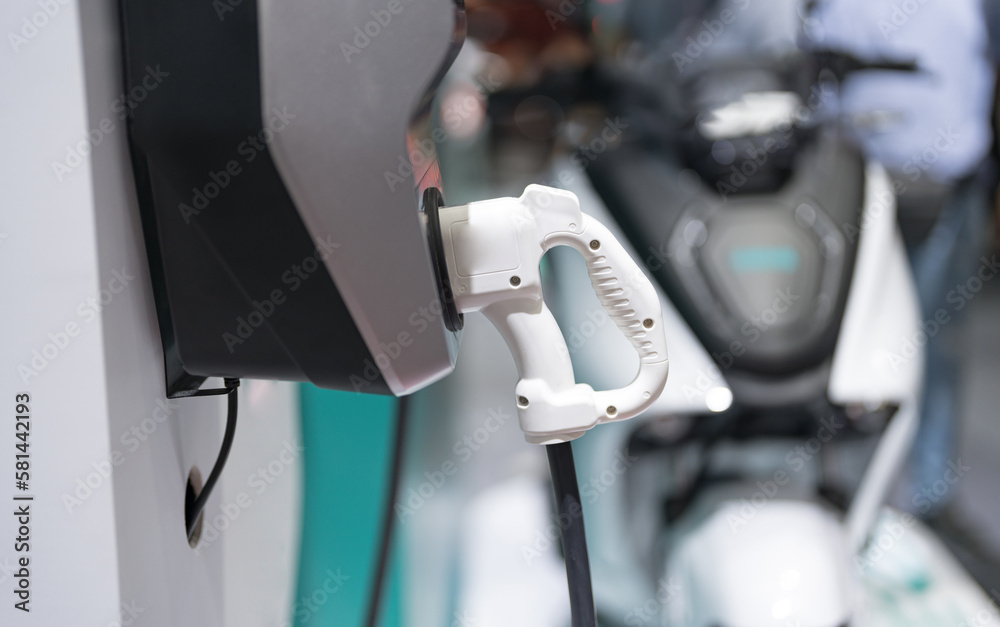
- Charge time (Level 2): Full charge in roughly 3.5 hours
- Seat height: 25.6 inches
- Curb weight: 558 lbs
- Starting price: $16,999
How It Actually Rides
The first thing you notice pulling away from a stop is the torque delivery — immediate, linear, and completely uncanny by combustion standards. There's no clutch to slip, no rpm band to find, just a smooth and powerful surge that genuinely made our test riders grin on every single launch. Indian has tuned three riding modes — Excursion, Sport, and Rain — and the differences are meaningful rather than cosmetic. Sport mode sharpens throttle response to the point where it requires a degree of respect in traffic. Rain mode genuinely dials things back to manageable levels for wet pavement.
At highway speeds, the Scout Classic settles into a surprisingly comfortable cruise. Wind protection is minimal, as you'd expect from a naked cruiser, but the riding position is relaxed without being so laid-back that you're fighting the bars. The suspension — non-adjustable forks up front and twin rear shocks — is tuned on the softer side, which suits the bike's character. It absorbs pavement imperfections well but gets a little overwhelmed on aggressive canyon switchbacks. This is a cruiser, not a sport bike, and it rides like one.
Regenerative braking is present but subtle, configured to feel like engine braking from a light throttle chop rather than the aggressive regen you'd experience on many electric cars. It's a smart tuning choice that makes the transition from gas bikes much less jarring. The hydraulic disc brakes are sharp and well-modulated, with ABS operating smoothly in our wet-weather testing.
Range: The Real Conversation
Indian's claimed range figures are optimistic in the way that most EV range figures are optimistic. In our real-world testing, a mix of city and highway riding at legal speeds returned around 115 miles before the low-battery warning appeared. A pure highway run at 75–80 mph brought that down to the low 90s. Relaxed urban riding with conservative throttle use approached 138 miles — the closest we came to the city-rated figure.
For many riders, that range is workable. If the Scout Classic is your daily commuter or weekend short-run machine, you'll rarely feel constrained. But plan a genuine touring day and you'll be thinking about charging infrastructure the way you used to think about gas station spacing in rural areas. The 40-minute DC fast charge window is genuinely useful if you can find a compatible charger — CCS Combo 2 is the standard here — but those chargers are far from universally available in less populated regions.
What Indian Got Right
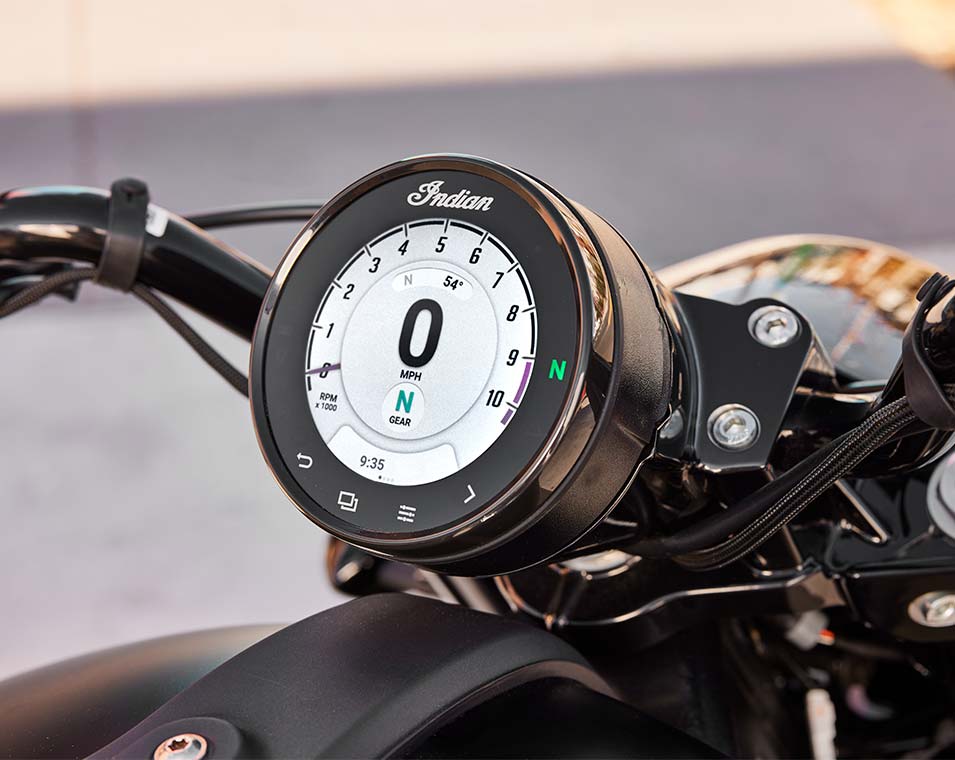
The refinement level of this motorcycle is high. Vibration is essentially absent, which changes the long-distance fatigue equation dramatically compared to a thumping V-twin. The touchscreen display is clear and intuitive, integrating turn-by-turn navigation, charge planning, and riding mode selection without requiring you to dig through layers of menus. Bluetooth connectivity to the Indian Ride Command app works reliably and offers useful trip data post-ride.
The low center of gravity from the floor-mounted battery pack makes the Scout Classic feel more planted than its 558-pound weight suggests. Low-speed maneuvering — parking lot turns, slow urban crawls — is confidence-inspiring in a way that heavier gas cruisers rarely achieve.
The Honest Downsides
The weight is real. At 558 pounds, the 2026 Scout Classic is substantially heavier than the outgoing gas Scout, and you feel it anytime the bike is off its wheels. Dropping it in a parking lot is a two-person recovery operation. Riders on the shorter end of the height spectrum may find it intimidating despite the low seat height.
The price premium over the outgoing gas model is significant. At $16,999 to start, you're paying considerably more than a comparable gas Scout, and the long-term maintenance savings, while real, take years to materialize. The lack of a real fuel gauge substitute — the range estimate fluctuates meaningfully with riding style — also takes some getting used to.
The Verdict
The 2026 Indian Scout Classic is a thoughtfully executed electric motorcycle wearing one of the most respected names in American riding history. It isn't perfect — the range requires planning, the weight demands respect, and the price demands a committed buyer. But the riding experience is genuinely excellent, the technology is mature, and Indian has been careful to preserve what made the Scout appealing in the first place. If you're an open-minded cruiser rider willing to adapt your habits slightly, this is one of the most compelling electric two-wheelers on the market today. If you need 300 miles of range or the sound of a V-twin, keep looking. Both are valid positions. The Scout Classic just wants to make sure you know what you're signing up for — and mostly delivers on that promise.