
1958
Rikuo RT 2 - Specifications & Review
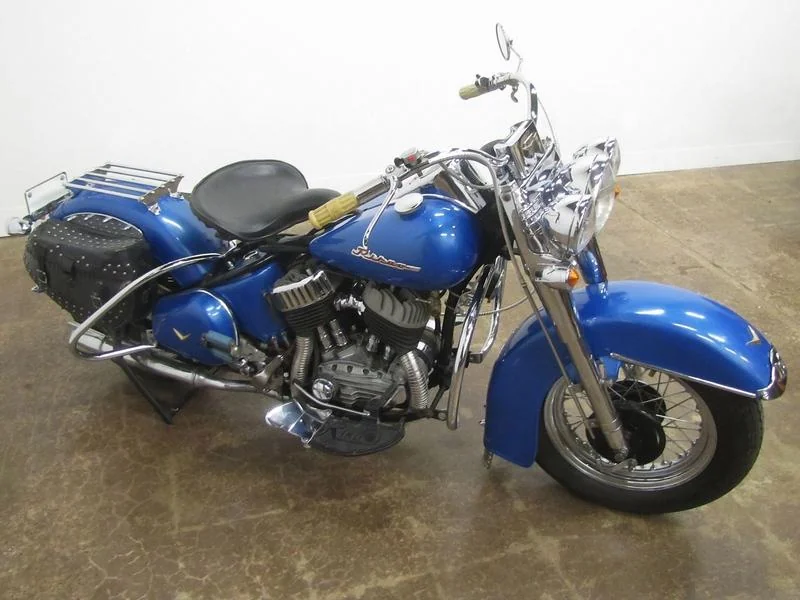
Article Complete Info
| Articleid | 431111 |
|---|---|
| Category | Allround |
| Make | Rikuo |
| Model | RT 2 |
| Year | 1958 |
Engine & Transmission
| Clutch | Four speed |
|---|---|
| Coolingsystem | Air |
| Displacement | 750.00 ccm (45.77 cubic inches) |
| Enginedetails | V2, four-stroke |
| Fuelsystem | Carburettor. Linkert |
| Gearbox | 4-speed |
| Ignition | Generator and battery |
| Power | 22.00 HP (16.1 kW)) @ 4250 RPM |
Physical Measures & Capacities
| Dryweight | 230.0 kg (507.1 pounds) |
|---|---|
| Powerweightratio | 0.0957 HP/kg |
About Rikuo
Country of Origin:
Japan
Founder:
Rikuo Motorcycle Company (licensed Harley-Davidson production pre-war)
Best Known For:
Licensed Harley-style V-twins built in Japan before and after WWII
Company History
Rikuo’s story begins with licensed Harley-Davidson production in Japan, a partnership that transferred tooling and know-how into domestic factories. The result was a line of robust, side-valve V-twins—police, military, and civilian—adapted to Japanese roads and materials. Pre-war and immediate post-war conditions demanded ruggedness and home-serviceability; Rikuos obliged with simple valve gear, stout frames, and sidecar compatibility for load-bearing duty. After the war, as Japan’s industry modernized and lighter bikes rose, Rikuo’s big twins became less central and eventually ceased, but the badge occupies a unique historical niche: an early bridge between American V-twin DNA and Japanese manufacturing discipline. Historically, Rikuo demonstrates how licensed production seeded skills later expressed by Japan’s global motorcycle ascendancy—process control, supplier ecosystems, and an insistence that machines must function as tools first, transport for people whose livelihoods depended on them.